Ever wonder why your AC sputters in July while the house next door stays ice‑cold? It’s not magic—it’s the difference between a system that’s been cared for and one that’s been left to rot.
Living in San Bernardino means scorching summers, chilly winters, and a lot of wear on your HVAC gear. A solid maintenance routine can keep your unit humming, slash those surprise repair bills, and protect your comfort all year long.
Ready to stop guessing and start mastering the exact steps that keep your system in peak shape? Keep reading and you’ll get the play‑by‑play guide every homeowner in the Inland Empire needs.
Understanding the San Berardino Climate’s Effect on Your HVAC System
San Berardino sits in a pocket where desert heat meets mountain chill. Summer temps regularly hit the high‑90s, while winter nights can dip below 30°F. Those swings force your HVAC to work harder, faster, and longer than a unit in a milder zone.
Key Climate Drivers
- Scorching daytime heat – pushes compressors to their max capacity.
- Low humidity – makes evaporator coils dry out, increasing wear.
- Mountain breezes – bring dust and pollen that clog filters.
- Occasional monsoon bursts – can flood condensate drains if they’re not clear.
Each of those factors chips away at efficiency. When the compressor runs nonstop, the motor heats up, seals shrink, and refrigerant pressure spikes. The result? Higher electric bills and a shorter lifespan for the whole system.
What That Means for Your System
Because the Inland Empire’s climate is a roller‑coaster, you need a maintenance plan that matches the ride. Spring is the perfect time to clear out dust that settled over winter, while fall should focus on protecting the unit from sudden cold snaps. Skipping these checkpoints lets small problems snowball into costly repairs.
Seasonal Maintenance Checklist: What to Do in Spring, Summer, Fall, and Winter
Spring & Summer
When the desert heat rolls in, your AC should be ready to fight back. Start with a clean filter and check the condensate drain for clogs—nothing worse than a leaky unit in July.
- Turn off the power, remove the filter, and replace it if it’s dusty.
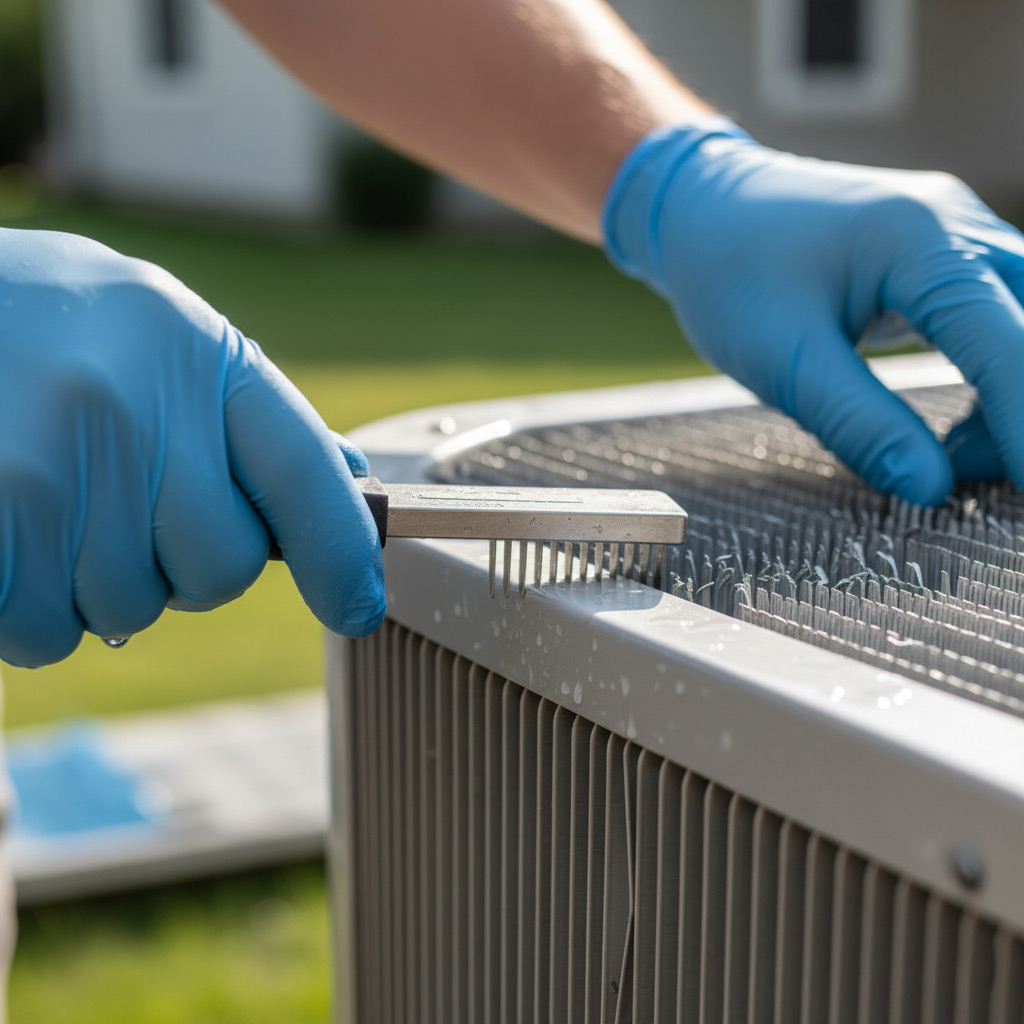
- Inspect the outdoor coil; spray a hose gently to clear debris.
- Run the thermostat on “cool” for a few minutes; listen for odd noises.
- Schedule a professional tune‑up before the peak‑load weeks.
Fall & Winter
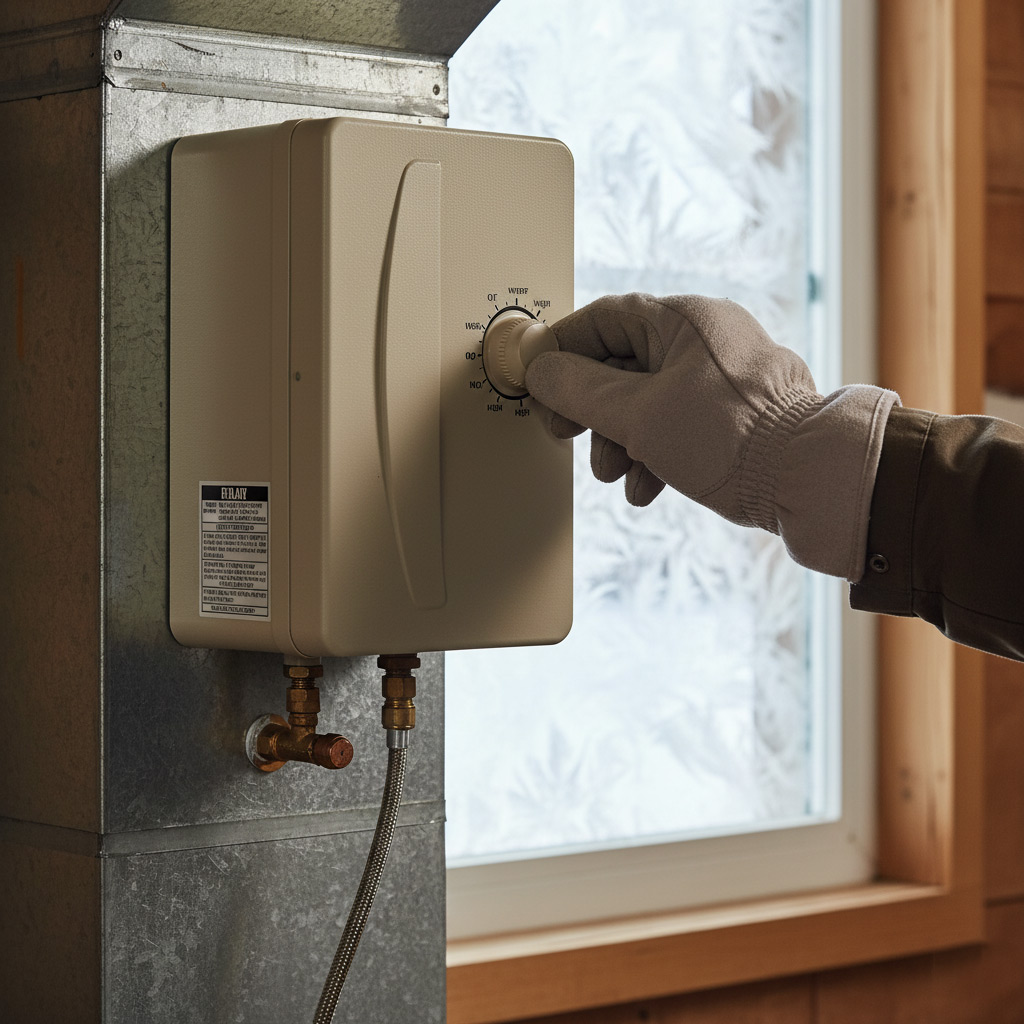
Cold snaps can be brutal on a system that’s been running nonstop. Give the furnace a quick once‑over before you start heating the house.
- Swap the air filter; a clean filter keeps the blower from overworking.
- Check the pilot light or electronic ignition for steady flame.
- Seal any gaps around the outdoor unit to keep frost from building up.
- Test the thermostat’s heat setting; make sure the fan cycles correctly.
DIY Inspection & Simple Tasks Homeowners Can Perform Safely
Before you call a tech, grab a flashlight and a screwdriver. A quick visual sweep can spot the obvious problems that cost you time and money.
Check the Air Filter
Dirty filters choke airflow and make the compressor work overtime. Swap it out while you’re at it—most filters are a quarter‑inch thick and snap right into the return grille.
- Turn off the furnace or AC.
- Locate the filter slot (usually behind the return vent).
- Slide the old filter out and compare it to the new one—same size, same direction.
- Insert the fresh filter, making sure the arrows point toward the blower.
Clear the Outdoor Condenser
The unit outside is a magnet for leaves, twigs, and dust. A clean coil means the refrigerant can dump heat without fighting a clogged surface.
- Shut off power at the breaker.
- Remove the protective grille—most are held by clips or a single screw.
- Gently brush away debris with a soft brush or a garden hose on a low setting.
- Re‑attach the grille and flip the breaker back on.
Inspect Thermostat Settings
Even a perfectly healthy system can feel sluggish if the thermostat is mis‑programmed. Verify the mode, fan setting, and schedule before you blame the hardware.
- Set the thermostat to “Off” and wait a minute.
- Switch to “Cool” (or “Heat”) and set the temperature a few degrees lower (or higher) than the room.
- Listen for the fan to kick on—if it doesn’t, the wiring may need a professional’s eye.
Safety first: always cut power before you touch anything electrical, and never climb on a roof to reach the condenser. If something feels off, pause and call a certified HVAC pro.
Warning Signs & When to Call a Professional: Service Frequency Guidelines
Red Flags That Mean Trouble
When your thermostat starts acting like a mood swing, it’s a sign the system is confused. Strange noises—clicks, rattles, or high‑pitched whines—are not just annoyances; they’re the HVAC’s way of screaming for help.
Watch for uneven airflow, especially if one room feels like a sauna while another stays frosty. Foul odors coming from vents, whether it’s a musty smell or a hint of burning, should trigger an immediate call to a pro.
- Frequent short‑cycling (turning on and off quickly)
- Higher than usual utility bills without a change in usage
- Visible frost on the evaporator coil
How Often Should a Pro Check Your System?
In San Berardino’s swing‑season climate, a twice‑yearly tune‑up is the sweet spot. Schedule one in the spring before the heat spikes and another in the fall before the chill sets in.
If you’ve just moved into a home or upgraded equipment, add a third check within the first 90 days. That extra look catches installation quirks before they become costly repairs.
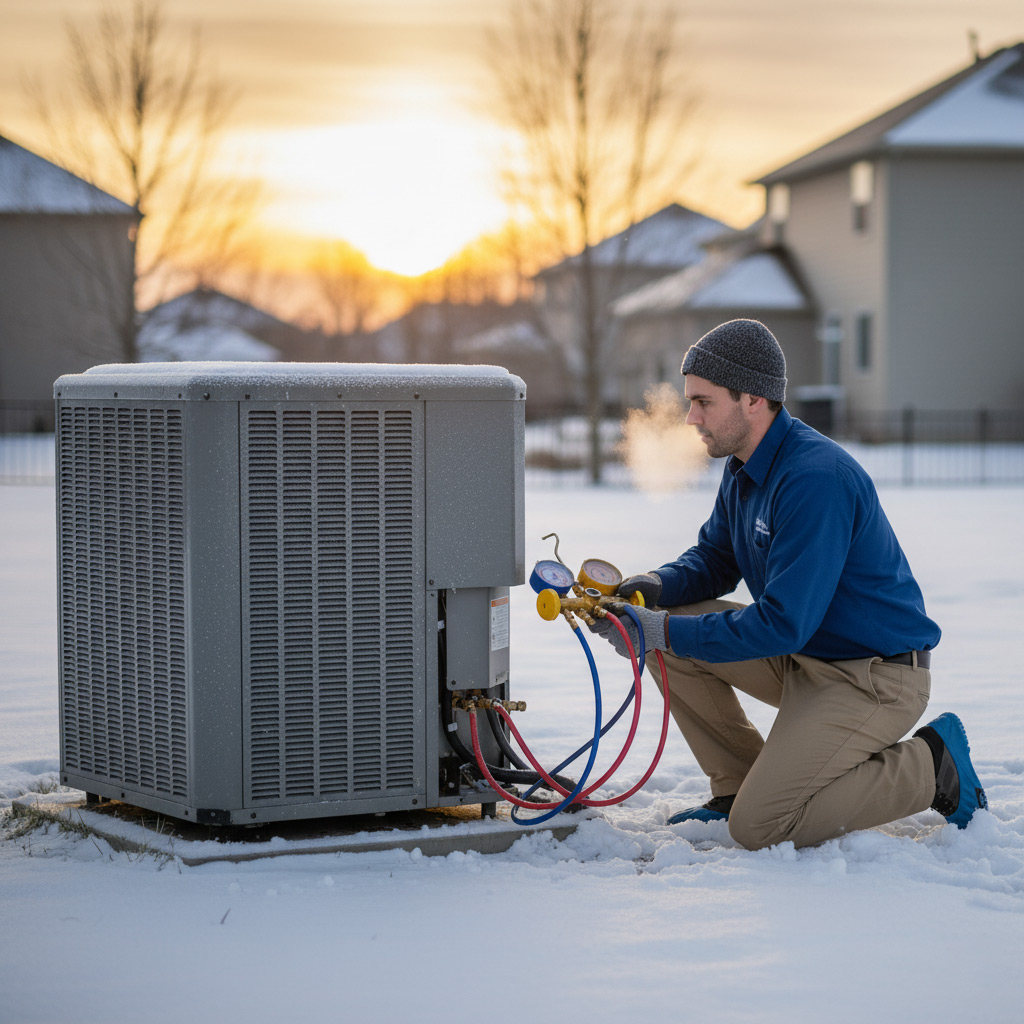
- Spring: Clean coils, test refrigerant pressure, inspect the blower
- Fall: Verify heat exchanger integrity, lubricate moving parts, check furnace ignition
- Every 6 months: Replace or clean filters, clear condensate drains, run a diagnostic scan
Boosting Energy Efficiency & Cutting Utility Bills in the Inland Empire
Smart Thermostat Settings that Actually Pay Off
Stop treating your thermostat like a decorative clock. Set it to 78°F when you’re home and crank it up a few degrees while you’re out – the savings add up fast.
Program the night‑time setback: 65°F for heat, 70°F for cooling. Your system works harder only when you need it, not while you’re snoring.
Seal the Leaks, Keep the Cool (or Warm)
Air that escapes through cracked ducts or un‑insulated attic spaces is money flying out the window. A quick duct‑seal kit and a roll of attic foil can shave 10‑15% off your bill.
- Check register grilles for loose screws.
- Wrap exposed pipes in reflective tape.
- Install weatherstripping around doors and windows.
Filters, Fans, and the Power of Small Changes
Dirty filters are the silent killers of efficiency. Swap them every 30‑45 days during peak season – you’ll feel the difference in airflow and in your electric meter.
Keep indoor fans running on low speed. They circulate conditioned air, letting the main unit run less often. It’s a tiny habit that translates into big savings.
Cash‑Back Programs You Can’t Afford to Miss
San Bernardino utilities often roll out rebates for high‑efficiency upgrades. Grab a 30% rebate on a ENERGY STAR furnace or a $200 credit for a smart thermostat.
Visit the local utility website, fill out the short form, and schedule the install. The paperwork is painless, the payoff is real.
Case Study: Restoring Comfort & Saving 30% on Energy Costs for a San Berardino Home
The Problem
When the Martinez family moved into their 2,300‑sq‑ft ranch in late 2022, the HVAC system was a relic from the early 2000s. Summer nights felt like a sauna, while the furnace struggled to keep the living room above 60°F in January.
Their utility bills ballooned to $350 a month, and the unit emitted a rattling noise that grew louder each week.
The Solution
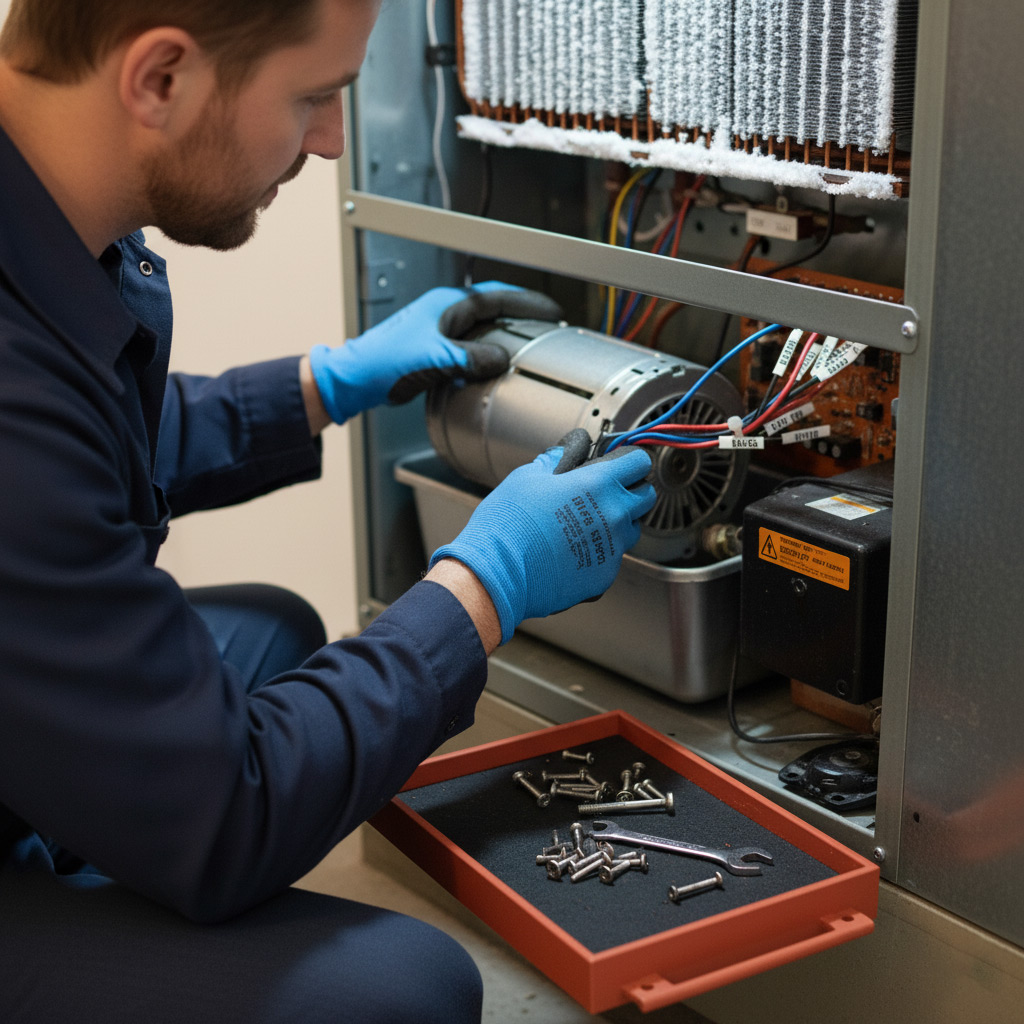
Our certified technicians performed a full diagnostic and uncovered three culprits: a clogged air filter, low refrigerant charge, and an aging blower motor.
We tackled the issue with a step‑by‑step plan:
- Replace all filters with high‑MERV, dust‑catching models.
- Recharge the refrigerant to manufacturer specs.
- Install a variable‑speed blower motor for smoother airflow.
- Program a smart thermostat tuned to the San Berardino climate.
Each task was completed in a single service window, minimizing disruption.
The Results
Within two weeks, the Martinez home reported a noticeable temperature drop of 8°F during peak afternoon heat. Their monthly energy bill slid from $350 to $245 – a 30% reduction that translated to over $1,200 saved in the first year.
“We finally feel comfortable all year round,” says Carlos Martinez. “And the savings? That’s the real win.”
Final Words
When you treat your HVAC system like a prized asset—not a disposable gadget—you’ll see the payoff in comfort and cash flow. Consistent care means fewer emergency calls, longer equipment life, and a home that stays just right, no matter what the Inland Empire throws at it.
Quick Recap
- Check filters every month.
- Schedule professional tune‑ups twice a year.
- Watch for odd noises, weak airflow, or unexpected spikes in your bill.
Don’t let a small issue snowball into a costly repair. If anything feels off, HVAC Maintenance pros are just a phone call away. A brief inspection now can save you a weekend of sweating or shivering later.
People Also Ask
How often should I schedule professional HVAC maintenance in San Berardino?
Professional HVAC maintenance should be performed at least twice a year—once before the cooling season and once before the heating season. This timing ensures the system runs efficiently and catches issues before extreme temperatures hit.What are the most common HVAC problems caused by San Berardino’s climate?
The hot, dry summers can lead to clogged condensers and reduced refrigerant efficiency, while cooler winter nights may cause frozen coils and increased wear on heating components. Dust and pollen from the surrounding hills also contribute to filter blockages.Can I clean my HVAC coils myself, or should I hire a technician?
Homeowners can safely vacuum loose debris from the coil’s outer fins, but deep cleaning with coil spray should be left to a licensed technician to avoid damaging delicate fins or causing refrigerant leaks.How does regular HVAC maintenance affect my energy bills in the Inland Empire?
A well‑maintained system operates at peak efficiency, often reducing energy consumption by 10‑30%. Clean filters, proper refrigerant levels, and calibrated thermostats prevent the unit from overworking.What signs indicate it’s time to replace my HVAC system rather than repair it?
If the unit is over 15 years old, requires frequent repairs, or shows a consistent drop in performance despite regular maintenance, replacement is usually more cost‑effective. New high‑efficiency models can also qualify for local rebates and tax incentives.
San Bernardino HVAC brings over 20 years of residential and commercial climate‑control expertise to the San Bernardino community. Their team of certified technicians delivers reliable heating, cooling, and indoor‑air‑quality solutions tailored to local needs. Committed to responsive service, they keep homes and businesses comfortable year‑round.
Need HVAC?
Fast, results‑focused service that gets the job done in San Bernardino and surrounding ZIPs (92401, 92404, 92373, 92354, 92324). Our teams prioritize speed and quality to keep your projects moving forward.
Request a fast quote