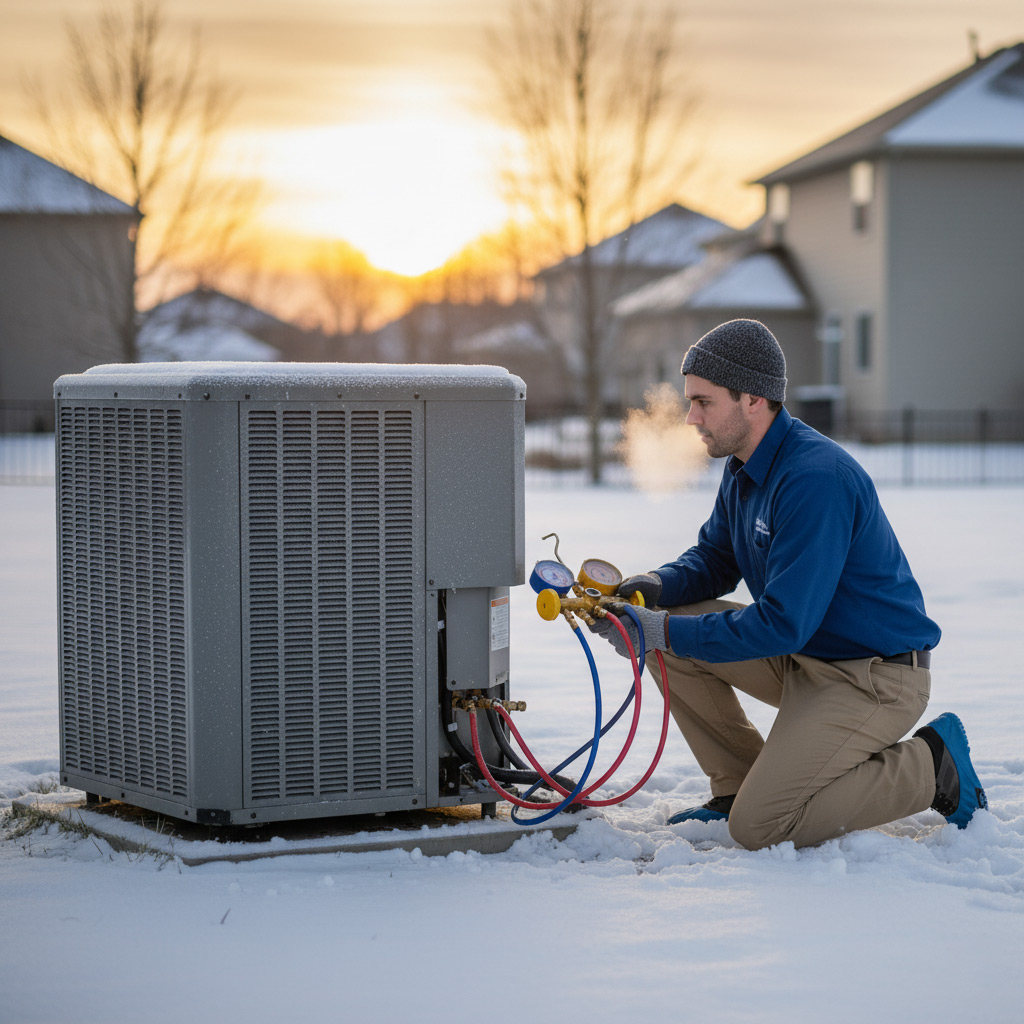
Ever gotten a surprise bill that made you wish your AC would just quit on its own? In San Bernardino, the heat can turn a minor glitch into a wallet‑draining nightmare faster than you can say “thermostat.”
Most homeowners think the price tag is set in stone, but the truth is a lot more nuanced. Age of the unit, the type of repair, and even the time of year can swing the cost by hundreds of dollars.
And don’t fall for the myth that every repair needs a brand‑new part or a full system overhaul. Skilled techs often have shortcuts that save you money without sacrificing performance.
Now that you’ve got the lay of the land, let’s dig into the exact numbers you’ll see on that invoice and how to keep them from blowing your budget.

Understanding the Core Factors That Influence AC Repair Costs in San Bernardino
Before you stare at a bill, know what’s really moving the numbers. In San Berardino, the price tag isn’t a mystery—it’s a mix of age, equipment type, and timing. Spotting the drivers lets you negotiate smarter and avoid surprise charges.
Age and Condition of the Unit
An older system often needs more labor because parts are harder to reach. A well‑maintained unit, even if it’s ten years old, can shave off dozens of dollars.
- Newer models usually have modular parts that replace quickly.
- Older units may require custom fabrication or hard‑to‑find components.
Type of Air Conditioner
Central split systems, window units, and ductless mini‑splits each have their own price language. The more complex the design, the higher the labor rate.
- Central split: higher labor, but parts are widely stocked.
- Window unit: low labor, but limited warranty coverage.
- Mini‑split: specialized tech needed, driving up the hourly fee.
Labor Rates and Parts Availability
San Berardino techs charge based on experience and local market demand. When a part is in short supply, the markup can jump 20‑30%.
- Certified technicians command a premium, but they bring warranty protection.
- Generic parts are cheaper, yet may not meet manufacturer specs.
Breaking Down Common AC Repairs and Their Typical Price Ranges
When your AC throws a tantrum, the fix isn’t always a full‑system overhaul. Most homeowners face a handful of repeat offenders that can be priced with surprising clarity.
Refrigerant Leak Repair
Finding the leak is the easy part; sealing it and recharging the system is where the dollars stack up.
- Leak detection & seal: $120‑$250
- Refrigerant recharge (R‑22 or R‑410A): $150‑$300
- Full service (diagnostic + parts): $250‑$500
Compressor Replacement
The compressor is the heart of the unit, and when it quits, you’re looking at a hefty bill.
- Labor only (if you already have a part): $200‑$350
- Standard 5‑ton unit (incl. part & labor): $1,200‑$2,200
- High‑efficiency models: $2,500‑$3,800
Thermostat & Wiring Issues
These glitches feel like tech‑support nightmares, but they’re usually quick fixes.
- Programmable thermostat install: $100‑$180
- Smart thermostat upgrade (Nest, Ecobee, etc.): $150‑$250
- Wiring repair or sensor replacement: $80‑$180
Seasonal Pricing: How Time of Year Affects Your Repair Bill
Summer Surge
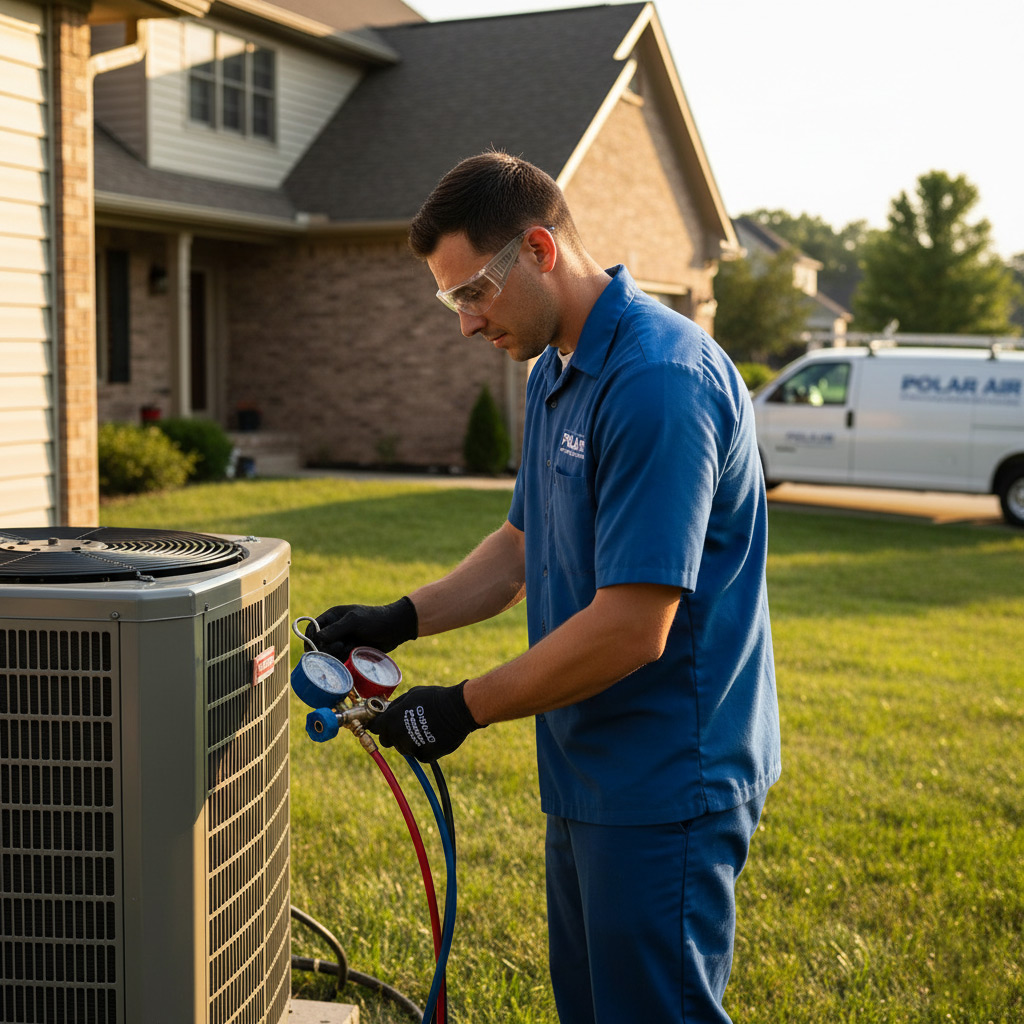
When the mercury climbs above 90°F, HVAC techs are booked solid, and that scarcity drives up labor rates. Expect a 10‑20% premium on most repairs from June through August.
Why the jump?
- High demand – everyone’s fighting a broken unit.
- Urgent parts shipments – carriers charge extra for rush orders.
- Overtime pay for crews working late to beat the heat.
Winter Cool‑Down
December through February is the quietest stretch for AC work, so many companies offer “off‑season specials.” You’ll often see 15‑30% discounts on routine service calls.
Watch out, though: if a heat wave sneaks in, emergency rates can spike back to summer levels. Call early, schedule a preventive tune‑up, and lock in the lower price before the sun decides to turn up.
Shoulder Season Sweet Spot
Spring and fall are the goldilocks window – demand is moderate, and technicians have room in their calendars. This translates to stable pricing and more flexibility for you.
Take advantage of these months by:
- Booking a pre‑season inspection.
- Negotiating a bundled service package.
- Securing a written estimate before any parts are ordered.
DIY vs. Professional: When to Call a Licensed HVAC Technician
Know Your Limits
Simple tasks like swapping a dirty filter or cleaning the condensate drain are perfect for a weekend warrior. These chores take minutes, cost pennies, and keep the system humming.
But once you start pulling wires, opening the sealed refrigerant loop, or tinkering with the compressor, you’re stepping into a zone where a mistake can cost you $1,000 + in repairs.
- Replacing a thermostat
- Cleaning the outdoor coil
- Checking circuit breakers
When to Call the Pros
If the AC won’t start, is blowing warm air, or makes strange noises, it’s time to dial a licensed tech. These symptoms usually point to electrical, refrigerant, or motor issues that require certified tools.
Also, any repair that involves refrigerant—charging, leaking, or replacing lines—must be handled by a technician with EPA certification. The law isn’t a suggestion; it’s a safety net.
- Refrigerant leaks or recharging
- Compressor or fan motor replacement
- Electrical component failures
Cost‑Benefit Snapshot
DIY may save $50‑$150 on labor, but a botched fix can double the bill when you need a pro to undo the damage. Licensed contractors carry liability insurance and warranty on their work, protecting you from surprise expenses.
Think of it as an investment: a $200 professional call now can prevent a $1,200 system replacement later. In San Bernardino’s scorching summer, that peace of mind is priceless.
How to Get Accurate Estimates and Avoid Hidden Fees
Ask for a Detailed, Written Quote
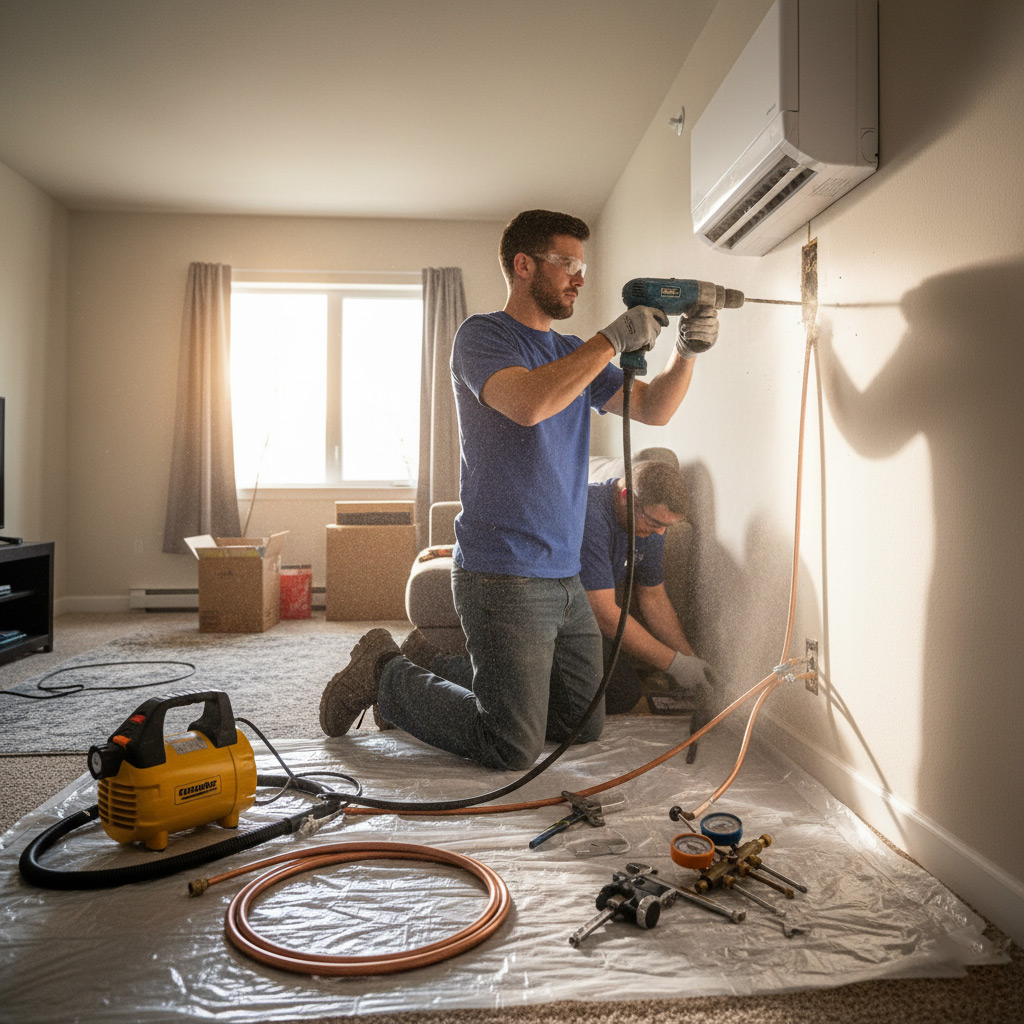
Never settle for a verbal promise; a written estimate is your safety net. It should list every part, labor hour, and service fee so you can see exactly what you’re paying for.
When the tech hands you the paper, scan it for these must‑haves:
- Part numbers and brand names
- Hourly labor rate and total labor hours
- Travel or service call charge
- Warranty coverage details
Spot the Sneaky Charges
Hidden fees love to hide in the fine print. Ask the contractor to explain any line you don’t recognize before they start work.
Typical surprise costs include:
- After‑hours or weekend premiums
- Disposal fees for old equipment
- Diagnostic fees that aren’t waived if you proceed
- Markup on parts versus the retail price
Play the Field Smart
Don’t put all your trust in the first quote you get. Gather at least three estimates and line them up side by side.
While you compare, keep an eye on these quality markers:
- Licensed and insured technician
- Positive local reviews on Google or Yelp
- Clear warranty terms that cover both parts and labor
- Transparent pricing without “subject to change” clauses
Case Study: A Real‑World AC Repair in San Bernardino That Saved a Homeowner $800
The Problem
When the Martinez family noticed their living room turning into a sauna, they called a local HVAC shop and were hit with a $1,500 “full system replacement” estimate. The unit was only eight years old, and the quote felt like a rip‑off.
The Diagnosis & Quote
Our certified tech arrived, ran a quick diagnostic, and found a faulty capacitor and a clogged condensate drain. Both issues are common, but they can masquerade as a total failure. Instead of a brand‑new furnace, we offered a targeted repair for $700.
The Savings Breakdown
Here’s how the Martinez family kept $800 in their pocket:
- Capacitor replacement: $120 – a standard part, no markup.
- Drain line cleaning: $80 – labor only, no extra parts.
- System tune‑up: $150 – includes refrigerant check and airflow optimization.
- Discount for off‑season service: -$150 – we booked the job in early October.
The original $1,500 quote included a new 12‑ton unit, a full installation fee, and a premium markup for “urgent” service. By addressing the real issues, the Martinez family got cool air back and saved a solid $800. The lesson? A skilled technician can spot the cheap fix before you sign a massive invoice.
Final Words
Before you pick up the phone, remember that a clear, written estimate is your best weapon against surprise charges. Ask for a line‑item breakdown and keep a copy for your records.
Quick checklist for your next call
- Verify the tech’s license and insurance.
- Confirm the exact part numbers you’ll receive.
- Ask if there’s a seasonal discount or a “first‑time‑customer” credit.
When you’re ready to move forward, choose a contractor who treats your home like their own. A reputable Air Conditioning Repair provider will explain the why behind every recommendation, not just the what.
People Also Ask
What factors most affect AC repair costs in San Bernardino?
The age and brand of your unit, the specific problem (e.g., refrigerant leak vs. compressor failure), and labor rates in the San Bernardino area are the biggest cost drivers. Seasonal demand and the need for any replacement parts also influence the final price.How much does a typical AC refrigerant leak repair cost?
A refrigerant leak repair usually ranges from $150 to $400 for the labor and leak detection, plus $50‑$150 for the refrigerant itself. Prices can rise if the leak is in a hard‑to‑reach component or requires a new coil.Do AC repair prices increase during the summer?
Yes, many HVAC companies apply peak‑season surcharges, which can add 10‑20% to labor rates. Scheduling repairs in the off‑season or early spring often results in lower overall costs.When is it better to DIY an AC fix versus hiring a licensed technician?
Simple tasks like cleaning or replacing a filter can be done yourself safely. Complex issues—such as electrical problems, refrigerant handling, or major component replacements—should always be handled by a licensed HVAC professional to avoid injury and code violations.How can I avoid hidden fees when getting an AC repair estimate?
Ask for a detailed, written quote that breaks down labor, parts, taxes, and any potential additional charges. Verify that the estimate includes a warranty on parts and labor, and confirm there are no “service call” fees hidden in the fine print.
San Bernardino HVAC brings over 20 years of residential and commercial climate‑control expertise to the San Bernardino community. Their team of certified technicians delivers reliable heating, cooling, and indoor‑air‑quality solutions tailored to local needs. Committed to responsive service, they keep homes and businesses comfortable year‑round.
Need HVAC?
Fast, results‑focused service that gets the job done in San Bernardino and surrounding ZIPs (92401, 92404, 92373, 92354, 92324). Our teams prioritize speed and quality to keep your projects moving forward.
Request a fast quote