
If you’re still waiting for your old furnace to give up before you call a pro, you’re playing roulette with your wallet. One bad surprise can turn a routine repair into a six‑figure nightmare.
The savvy San Bernardino homeowners don’t guess—they run a quick audit, compare energy reports, and lock in a deal before the summer heat hits. They know the right time to act, the right questions to ask, and the right contractor to trust.
Stick around and you’ll discover the exact checklist they follow, the red‑flags they watch for, and how you can walk away with a brand‑new system without breaking the bank.
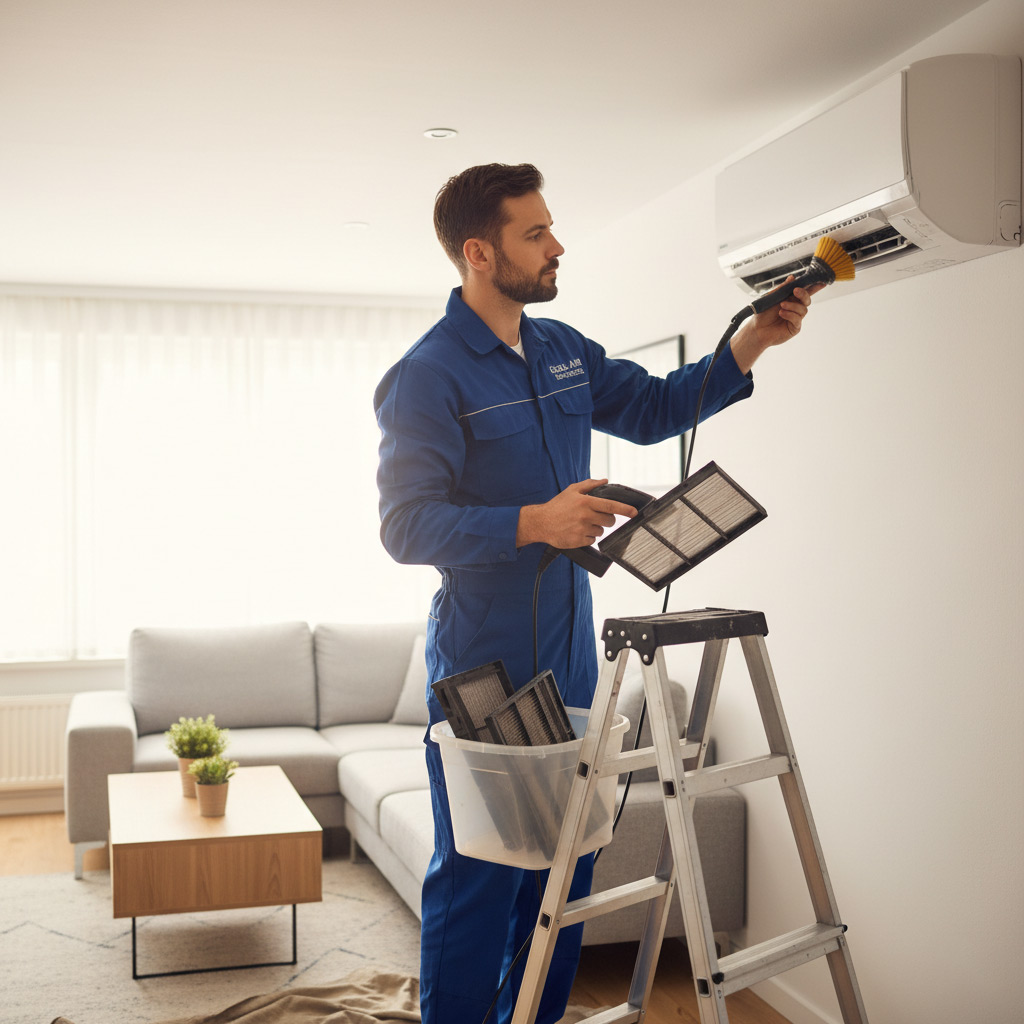
How to Spot the Early Warning Signs That Your HVAC Needs Replacement
When your furnace starts coughing louder than a smoker’s cough, it’s not just a nuisance—it’s a neon sign that the system is on its last legs. Uneven temperatures between rooms, frequent short‑cycling, or a sudden spike in your electric bill are all clues that the unit is begging for retirement.
Common Red Flags
- Strange noises: rattling, grinding, or high‑pitched squeals usually mean worn bearings or a failing motor.
- Visible wear: rust, corrosion, or cracked heat exchangers are hard to hide.
- Age factor: if your system is pushing 15‑plus years, the odds are it’s time to upgrade.
- Frequent repairs: more than two service calls a year? That’s a money‑leak.
Ignoring these hints can turn a modest repair into a full‑blown emergency when the heat quits mid‑winter. Act now and you’ll avoid the scramble, the extra cost, and the sleepless nights wondering if the house will stay warm.
Conducting a Home Energy Audit: Tools, Metrics, and What They Reveal
Before you splurge on a new furnace, grab a flashlight and a notebook. A quick audit shows where your house is leaking heat, and it saves you from buying a system that’s too big or too small.
Essential Tools for the DIY Audit
Most San Bernardino homeowners already have a few of these in the garage:
- Infrared thermometer – spot cold spots on walls and windows in seconds.
- Smart plug with energy monitoring – see real‑time draw of your old unit.
- Smoke pencil or incense stick – watch airflow patterns around vents.
If you’re not comfortable with a thermometer, a simple hand‑held blower door kit can be rented from a local hardware store for a day. It’s cheap, it’s fast, and it tells you exactly how much air is escaping.
Key Metrics and What They Tell You
When you run the audit, jot down these numbers:
- SEER rating of your current AC – lower numbers mean higher bills.
- Annual fuel utilization efficiency (AFUE) for the furnace – under 80% is a red flag.
- Air leakage rate (ACH50) – more than 5 changes per hour signals a draft problem.
These figures reveal two things: how hard your old system works and where you can cut waste. Spot a high ACH50? Seal those gaps before you even think about a replacement, and you’ll keep the new unit running cooler, longer.
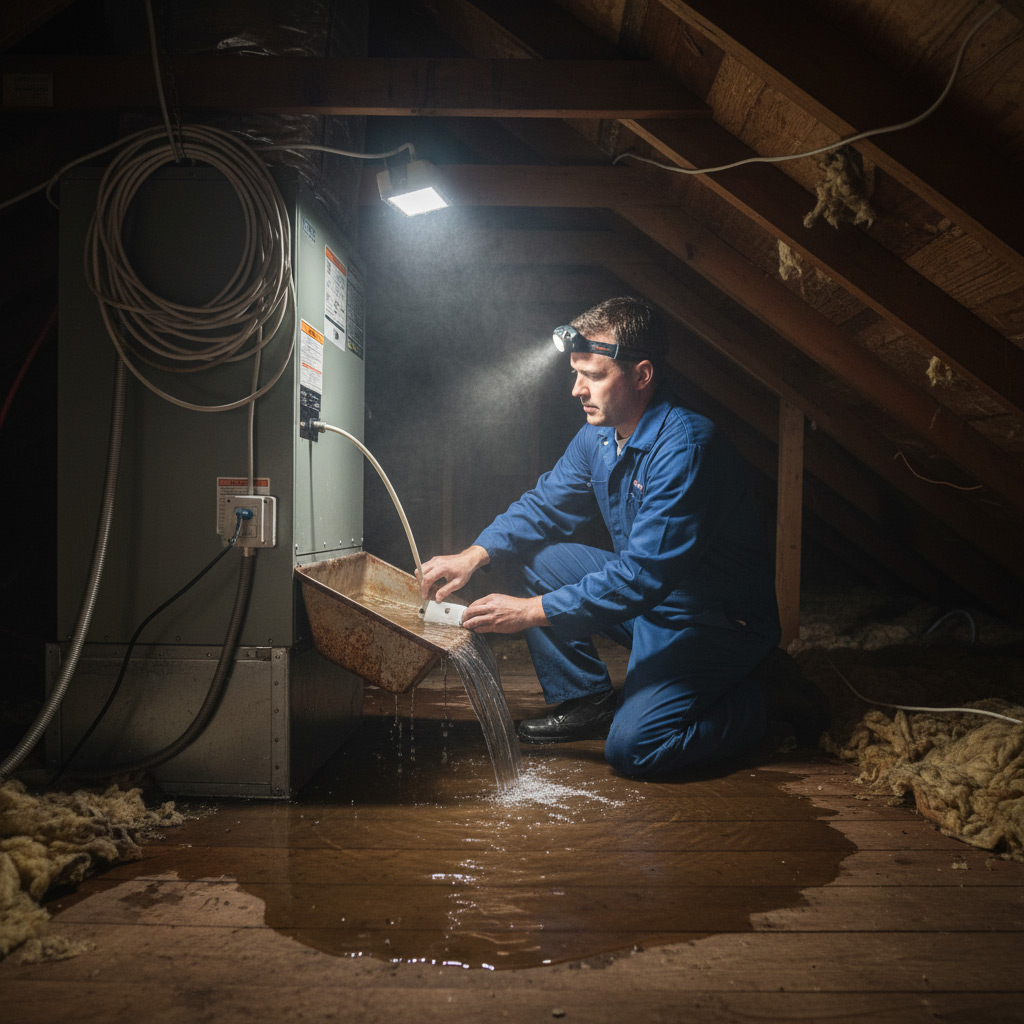
Comparing New HVAC Systems: Efficiency Ratings, Sizing, and Smart Features
Understanding the Ratings
When you see a SEER number on a unit, think of it as the mileage gauge for your air conditioner – the higher, the farther you’ll go on a single bill. HSPF does the same for heat pumps, telling you how many heating BTUs you get per watt‑hour.
Don’t get fooled by flashy marketing; the real deal is in the numbers:
- SEER 13‑15: baseline, decent for mild climates.
- SEER 16‑18: sweet spot for San Bernardino’s hot summers.
- SEER 19+: premium, best for long‑term savings.
Getting the Size Right
Oversized units waste power, undersized units run nonstop. A proper Manual J calculation tells you exactly how many tons of cooling your home needs.
Key sizing clues:
- Square footage and ceiling height.
- Insulation quality and window orientation.
- Number of occupants and typical daily activities.
When the numbers line up, you’ll feel the difference the first time you flip the thermostat.
Smart Add‑ons Worth the Money
Modern HVACs come with Wi‑Fi brains that let you tweak temperature from your phone while you’re stuck in traffic.
Features that actually pay off:
- Variable‑speed compressors – smoother comfort, lower bills.
- Zoning controllers – heat or cool only the rooms you use.
- Air‑quality sensors – automatically boost filtration when pollen spikes.
Pick a system that talks to your smart home hub, and you’ll never wonder if you left the house too hot again.
Financing Options and Incentives for San Bernardino Residents
Low‑Interest Loans & Credit Lines
Many banks and credit unions in the Inland Empire offer 0‑% to 3‑% APR loans specifically for home upgrades. The application is usually a quick online form, and approval can happen in a day.
If you have decent credit, a home‑equity line of credit (HELOC) can give you the cash you need without a balloon payment at the end.
- Local credit unions: often waive fees for members.
- Online lenders: fast funding, but watch for hidden processing charges.
- Manufacturer financing: 12‑month “no‑interest” promos on select models.
City & State Incentives
California’s Energy Commission runs a rebate program that puts up to $500 back on qualifying HVAC units. The paperwork is a pain, but the payoff is real.
San Bernardino’s utility company also offers a seasonal discount for systems that meet the latest “Smart Thermostat” criteria.
- Federal Tax Credit: 30% of the equipment cost, claim on your 2024 return.
- California Rebates: $150‑$500 depending on SEER rating.
- Utility Savings: Up to $200 off your first bill after installation.
Stacking Savings
Smart homeowners don’t settle for one deal—they layer a low‑interest loan with every rebate they qualify for. The math can shave hundreds off the total price.
Ask your installer to provide a “savings worksheet” that shows the loan payment, rebate amounts, and projected energy savings side by side.
- Combine a 0‑% loan with the federal tax credit.
- Apply the state rebate first, then use the remaining balance for the loan.
- Schedule installation before the utility’s “summer boost” deadline to lock in the extra discount.

Vetting Contractors: Red Flags, Certifications, and Questions to Ask
Choosing the right HVAC pro is a gamble you don’t want to take. A cheap quote can hide hidden fees, shoddy parts, or a contractor who disappears after the job. Play it smart, and you’ll keep your money where it belongs – in your pocket.
Red Flags to Watch
- Quotes that are dramatically lower than the competition – it’s usually a bait‑and‑switch.
- No written estimate or vague pricing language.
- Contractors who can’t provide a physical address or a local phone number.
- Reluctance to share references or a portfolio of recent jobs.
- Pressure to sign a contract on the spot.
When you see any of these, walk away. A reputable pro will understand your caution and give you time to think.
Credentials That Matter
- EPA Certification – required for handling refrigerants.
- State‑issued HVAC license – verify it on the California Contractors State License Board site.
- Membership in industry groups like ACCA or NATE.
- Proof of insurance: general liability and workers’ comp.
- Positive reviews on Google, Yelp, or Angie's List, not just a handful of 5‑star ratings.
Ask to see the actual documents, not just a photo on a website. Real paperwork means real accountability.
Questions That Separate the Pros from the Pretenders
- What size unit do you recommend for a 2,200‑sq‑ft home in San Bernardino, and why?
- Can you walk me through the energy‑saving features of the model you’re proposing?
- What’s your warranty on labor, and does it cover the equipment manufacturer’s warranty?
- How do you handle permits and inspections?
- Do you offer a post‑install performance check, and what does it include?
Take notes, compare answers, and trust the contractor who can explain things in plain English. That’s the one who’ll stand behind the work.
Case Study: A San Bernardino Family’s Seamless HVAC Upgrade and Savings
The Situation
When the Martinez family noticed their energy bill spiking in March, they knew something was off. Their 15‑year‑old furnace was coughing, and the thermostat was playing hide‑and‑seek.
The Solution
They called a local, NATE‑certified contractor who performed a quick load‑calc and recommended a 3‑ton, variable‑speed heat pump with a smart thermostat. The installer handled permits, disposal of the old unit, and a tidy cleanup—all in one day.
The Results
Within the first month, the Martinez household saw a noticeable dip in their utility numbers. The smart thermostat learned their schedule, cutting idle run‑time by 30 %. Here’s the breakdown:
- Energy bill reduction: $150 / month
- Tax credit & rebate: $1,200 one‑time
- Financing savings: 0 % APR for 36 months
All told, the family recouped the installation cost in just under three years. They now enjoy consistent comfort, no surprise breakdowns, and a home that feels a little greener.
Final Words: Your Action Plan for a Smart, Cost‑Effective HVAC Replacement
Here’s the playbook the sharpest San Bernardino owners follow. Follow these steps, lock in a deal, and keep your cash flow happy. Need a refresher on the whole process? Check out our HVAC Replacement hub.
Step 1 – Run a Quick Home Audit
- Grab your latest utility bill; note any spikes in winter or summer.
- Feel the airflow at each vent – weak spots scream “old unit”.
- Check the furnace’s age tag; 15+ years usually means it’s time.
Step 2 – Compare Systems Like a Pro
- Look for SEER or AFUE ratings that beat the local minimum.
- Match the unit size to your square footage – too big = waste, too small = strain.
- Pick models with Wi‑Fi thermostats, variable‑speed fans, and easy‑service panels.
Step 3 – Lock Down Financing and Seal the Deal
- Ask about local rebates; San Bernardino often runs utility‑sponsor programs.
- Explore 0% APR or 5‑year loan options from reputable lenders.
- Get a written contract that lists start date, total cost, and cleanup guarantee.
People Also Ask
How can I tell if my HVAC system needs to be replaced instead of repaired?
Look for frequent breakdowns, rising energy bills, uneven heating or cooling, and an age over 10‑15 years. When repairs cost more than 50% of a new unit, replacement is usually smarter.
What energy‑audit tools should San Bernardino homeowners use before choosing a new HVAC system?
Use a blower door test, infrared thermography, and a home energy monitor to pinpoint leaks and inefficiencies. These metrics reveal where insulation, sealing, or ductwork upgrades can improve system performance.
Which efficiency ratings and smart features matter most for a new HVAC in San Bernardino?
Prioritize SEER 16+ for cooling and AFUE 90+ for heating, and look for Wi‑Fi thermostats, variable‑speed compressors, and demand‑response compatibility. These features cut utility costs and let you control the system from your phone.
Are there financing options or incentives available for HVAC upgrades in San Bernardino?
Yes—local utility rebates, California’s Clean Energy Fund, and federal tax credits up to 30% can lower costs. Many contractors also offer 0% APR financing for qualified homeowners.
What red flags should I watch for when vetting HVAC contractors in San Bernardino?
Beware of contractors without a C‑10 license, vague estimates, or no proof of insurance. Ask for references, verify certifications like NATE, and confirm they perform a detailed load calculation.

San Bernardino HVAC brings over 20 years of residential and commercial climate‑control expertise to the San Bernardino community. Their team of certified technicians delivers reliable heating, cooling, and indoor‑air‑quality solutions tailored to local needs. Committed to responsive service, they keep homes and businesses comfortable year‑round.
Need HVAC?
Fast, results‑focused service that gets the job done in San Bernardino and surrounding ZIPs (92401, 92404, 92373, 92354, 92324). Our teams prioritize speed and quality to keep your projects moving forward.
Request a fast quote