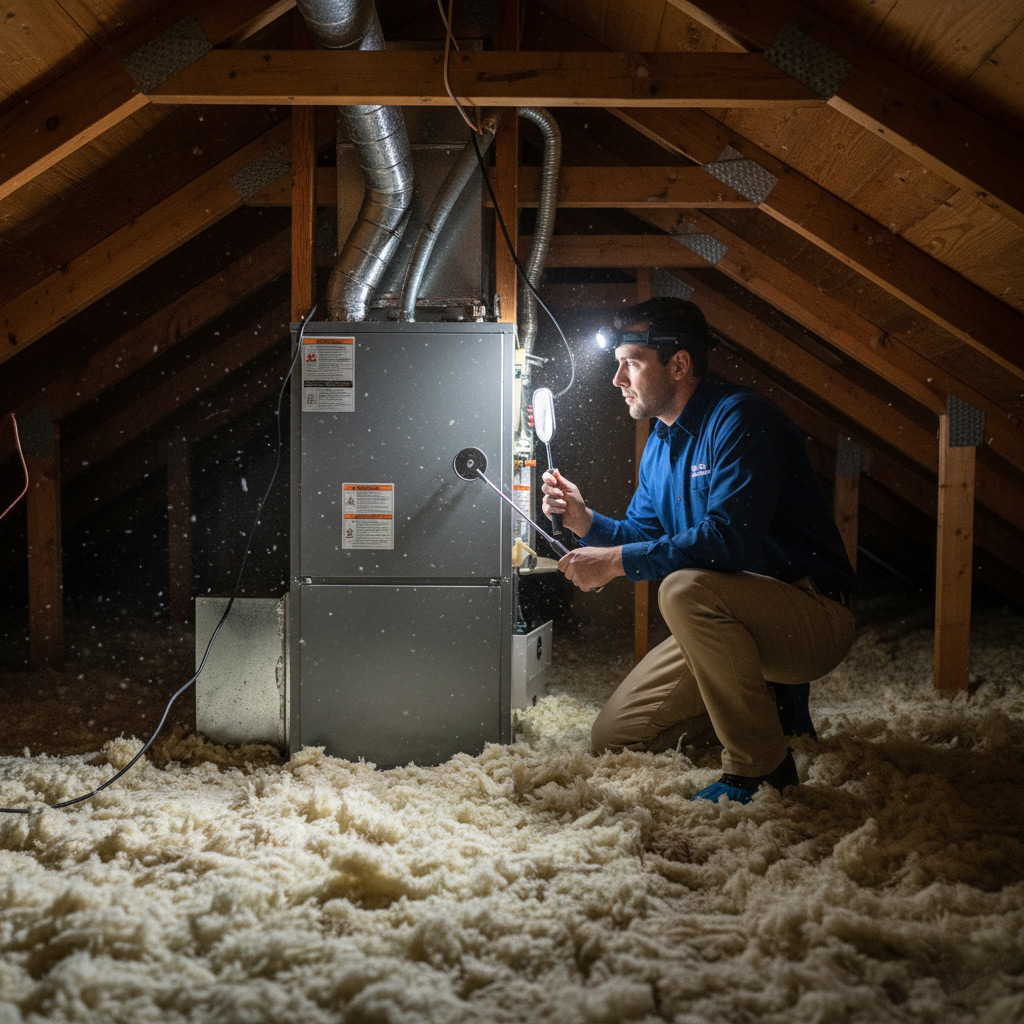
Ever notice your heat pump acting up right after the first heat wave hits San Bernardino? It’s not a coincidence – the same tricks the “experts” use to keep you on the phone all winter are at play.
Most HVAC techs will never tell you that a simple sensor swap can save you a fortune, and they love to hide the fact that a clogged coil is often the real villain, not a broken compressor.
In a city where the desert meets the mountains, those hidden shortcuts can mean the difference between a chilly night and a wallet‑draining repair bill.
Stick around and I’ll pull back the curtain on the shortcuts, the sneaky upsells, and the quick fixes that can keep your system humming without breaking the bank.
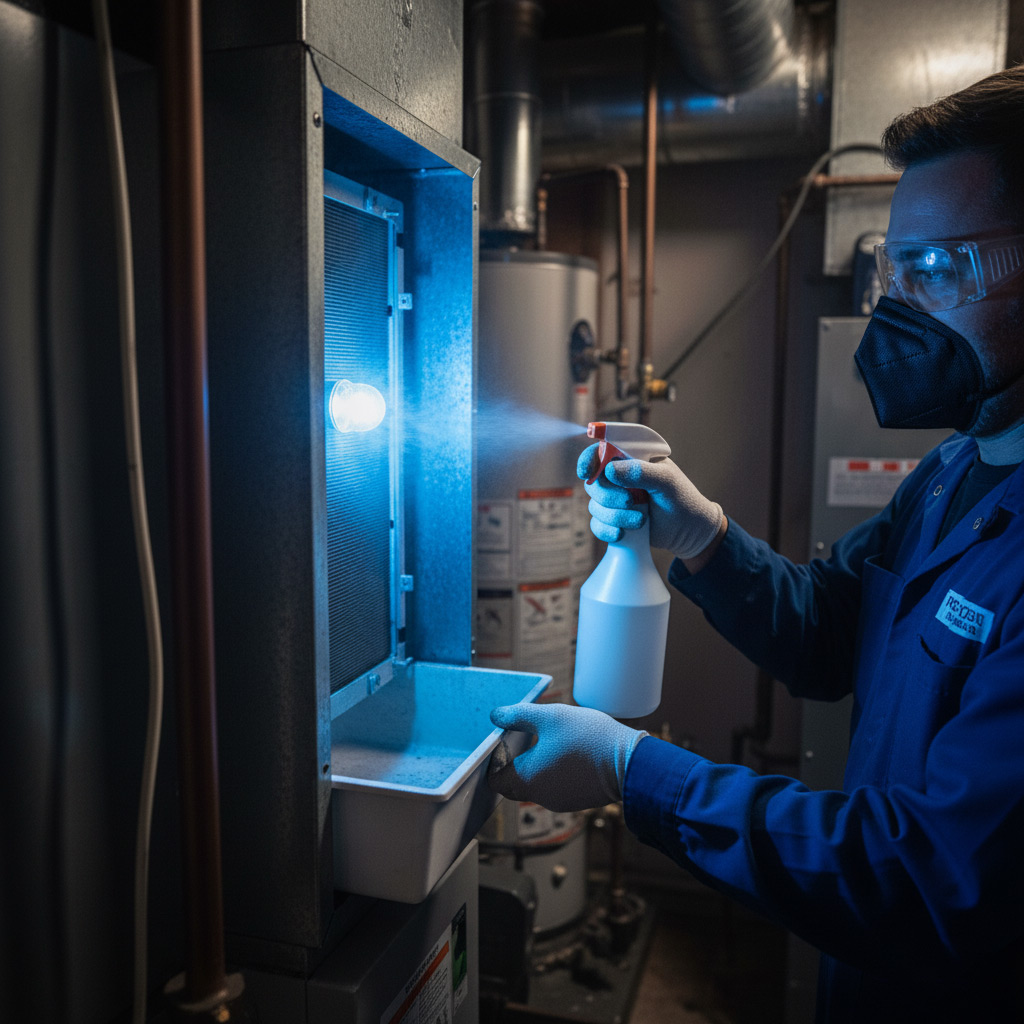
The Hidden Costs: Why Simple Repairs Are Overlooked
Most homeowners in San Bernardino think a heat‑pump glitch means a full‑blown service call. That mindset alone adds $200‑$400 to a bill that could have been settled with a $25 part. The truth is, many techs walk you straight to the “big job” because it’s easier to sell than a quick swap.
What the techs don’t want you to see
- Diagnostic fees that disappear once they “find” a major fault.
- Labor rates inflated for “complex” work that’s actually a two‑minute adjustment.
- Replacement parts that are brand‑new when a refurbished version would do the job.
When you let a simple sensor or a clogged coil slip by, the system works harder, spikes your electric bill, and eventually forces a costly compressor failure. That’s the hidden price tag most people ignore.
The real price of ignoring the easy fix
- Higher monthly energy costs – up to 15% more in a single season.
- Premature wear on the compressor – a $2,500 replacement could be avoided.
- Unnecessary emergency service calls – $150‑$250 each time.
Common Misconceptions About Heat Pump Failures in San Bernardino
Myth #1: “If the compressor’s dead, the whole system is toast.”
Most homeowners assume the compressor is the only part that can ruin a heat pump. That’s a half‑truth. In reality, a clogged coil or a faulty sensor can make the compressor look sick when it’s actually just over‑working.
When the coil is dirty, the refrigerant can’t shed heat. The compressor strains, temperature spikes, and you get a “failed compressor” alarm. Cleaning the coil first often restores performance without replacing anything pricey.
Myth #2: “Refrigerant leaks always mean a $2,000 repair.”
People hear “leak” and picture a massive, expensive fix. In San Bernardino’s dry climate, tiny pinhole leaks are common and can be sealed for a few hundred dollars.
What matters is catching the leak early. A quick sensor swap or a simple sealant job can stop the loss before the system loses efficiency and the bill balloons.
Myth #3: “If the thermostat is wrong, the heat pump is broken.”
Homeowners often blame the whole unit when the thermostat is mis‑calibrated. A mis‑set thermostat can send false signals, causing the pump to cycle erratically.
Before you call a tech, try these quick checks:
- Verify the thermostat is set to heat mode, not “auto.”
- Replace the batteries – a weak cell can scramble the reading.
- Make sure the location isn’t in direct sunlight or a draft.
If the system still misbehaves after these steps, then it’s time to bring in a pro.
The Sensor Swap Secret: How a Small Part Saves Big Money
What the sensor actually controls
That tiny temperature sensor tucked behind the evaporator coil is the brain’s eyes. When it misreads the air, the heat pump thinks it’s either too hot or too cold and throws a tantrum. Typical signs include short cycling, weak airflow, or a sudden switch to emergency heat.
- Thermostat shows 78°F, but the unit runs at 85°F.
- System shuts off after a few minutes.
- Unexplained “low refrigerant” codes appear.
Why most techs skip the swap
Replacing the sensor costs under $30, yet many service calls balloon to $500 because the part is hidden behind a sealed panel. Technicians often charge labor for “diagnosing” a problem that’s literally a plug‑and‑play swap. That’s the sweet spot for upsells.
How to do the swap yourself – and when to call a pro
Turn off power, locate the sensor (usually a small black disc on the coil), unplug the connector, and snap in the new one. It takes less than ten minutes. If the coil is corroded or the wiring looks fried, that’s a cue to call a certified HVAC tech.
- Gather: new sensor, screwdriver, safety gloves.
- Safety first: shut off breaker.
- Swap, restore power, test the thermostat.
Clogged Coils vs. Bad Compressors: Diagnosing the Real Culprit
Symptoms that Point to a Clogged Coil
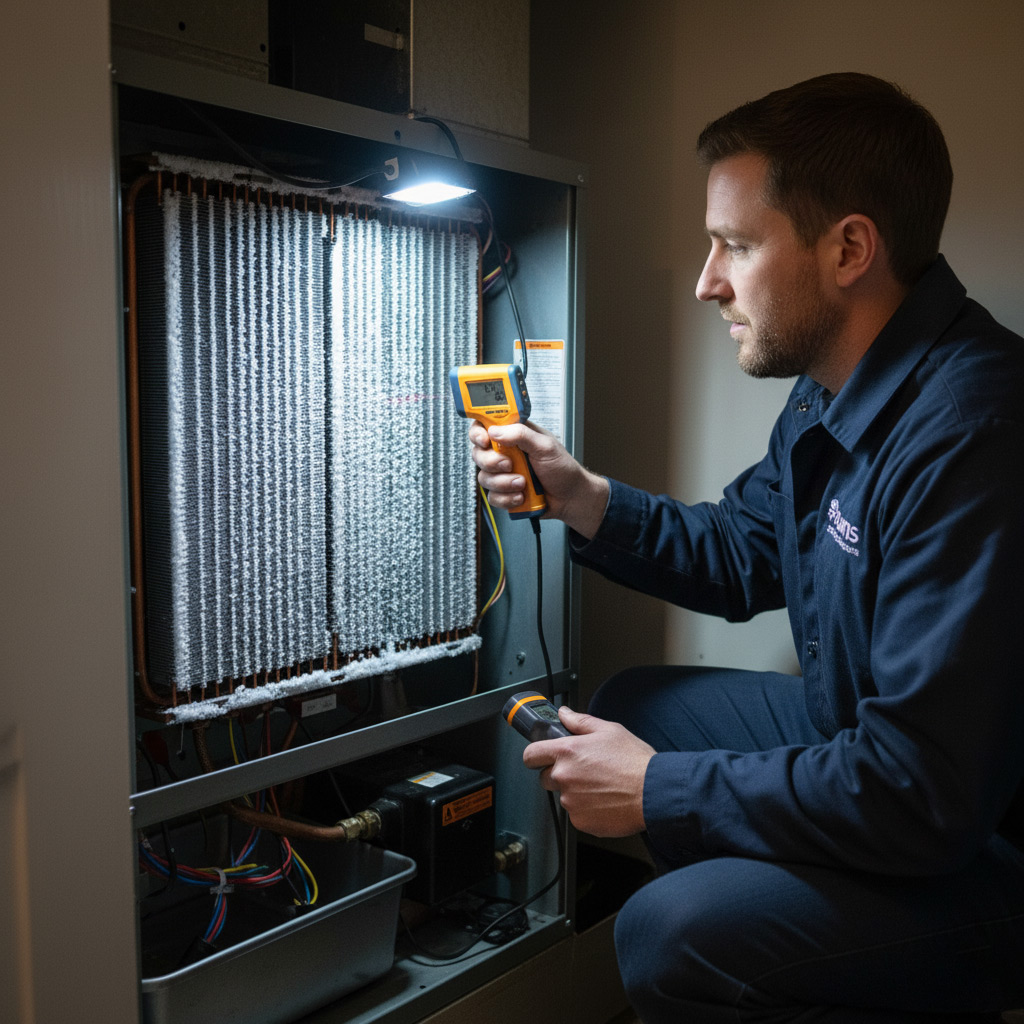
When the coil is choking on dust, you’ll feel a weak blast of air and notice the unit humming louder than usual. Ice buildup on the outdoor coil is a dead‑giveaway that the airflow is restricted.
Typical clues include:
- Reduced heating output despite the thermostat calling for heat.
- Frequent short‑cycling – the system turns on and off every few minutes.
- Higher electricity bills that spike out of nowhere.
When the Compressor Is Actually at Fault
A failing compressor will make a deep, grinding noise that you can hear from inside the house. Pressure readings will be off, and the system may refuse to start altogether.
Watch for these red flags:
- Warm air blowing even though the thermostat is set to heat.
- Burnt smell near the outdoor unit.
- Visible oil leaks or a rattling sound from the compressor housing.
Before you hand over a hefty invoice, ask the tech to show you the pressure gauges and run a simple coil cleaning test. A quick spray of coil cleaner and a cleared fan can often restore performance, saving you from a $2,000 compressor replacement.
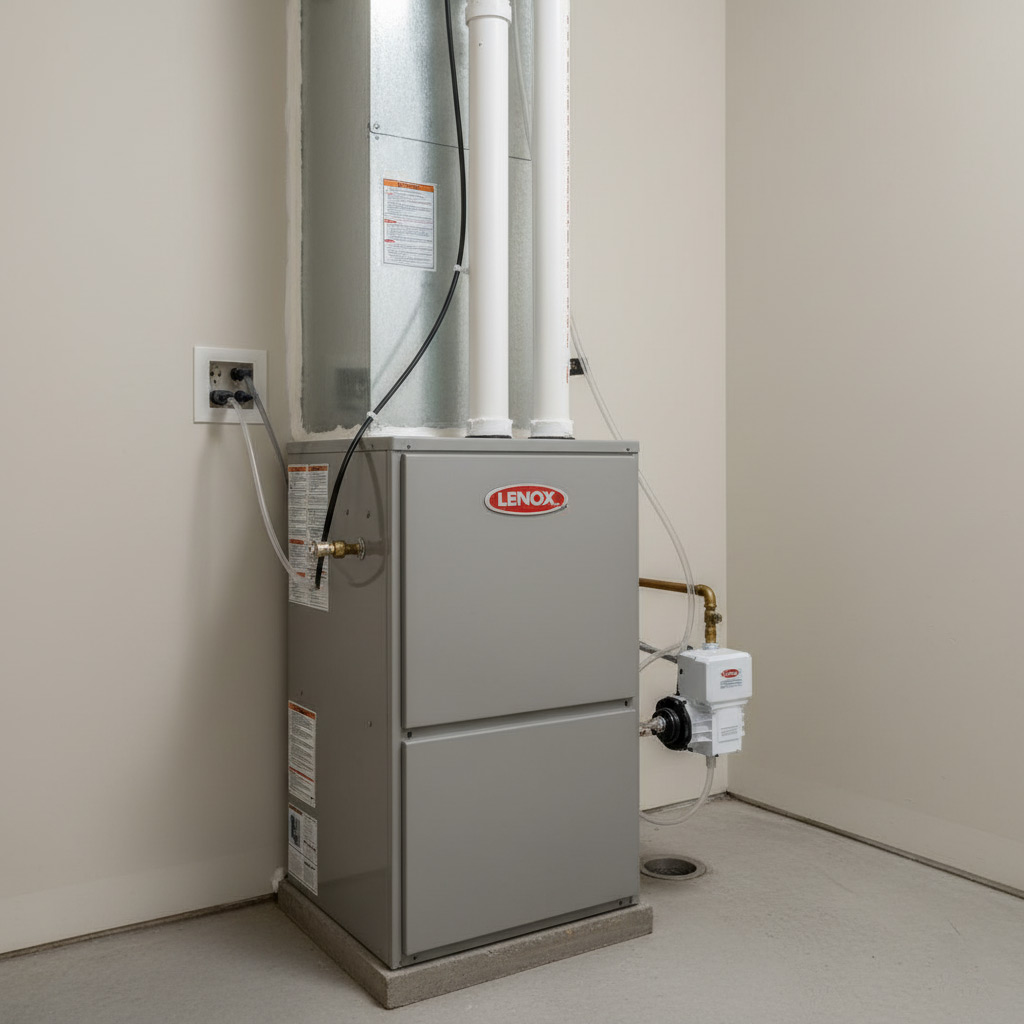
DIY Quick Fixes and When to Call a Pro
Before you pick up the phone, check the basics. A lot of heat‑pump drama in San Bernardino starts with a dusty filter or a tripped breaker. Clear the clutter, reset the power, and you might just save yourself a service call.
When a DIY Fix Is Safe
If the problem is surface‑level, you’re in the green. These tweaks cost pennies and take minutes.
- Replace the air filter – a clogged filter chokes airflow and forces the pump to work harder.
- Reset the thermostat – sometimes a simple reboot clears a confused control board.
- Check the outdoor unit’s fan blades for debris – leaves and sand are common culprits.
- Inspect the condensate drain line – a blocked line can trigger error codes.
Red Flags: Call a Pro
When the issue digs deeper, stop the DIY and dial a technician. Ignoring these signs can turn a $150 fix into a $2,000 nightmare.
- Foul odors or burning smells – could mean electrical trouble.
- Frequent short‑cycling – the compressor may be overheating.
- Ice buildup on the coil – indicates a refrigerant leak or sensor failure.
- Unusual noises like rattling or grinding – likely a failing motor or compressor.
Case Study: Turning a $2,500 Repair into a $300 Fix in San Bernardino
The Situation
When the Martinez family called, their heat pump was throwing error code “E5” and the tech quoted $2,500 for a new compressor. They were ready to pull the plug on winter.
The Diagnosis
Our crew ran a quick sensor check and found a faulty outdoor‑unit temperature sensor—the same part that trips the “E5” code 80% of the time. While we were at it, we cleared a layer of dust from the condenser coils that had built up over two seasons.
The Fix
Replacing the sensor cost $120, cleaning the coils $80, and a brief refrigerant top‑off $100. Total? $300. The family walked away with a warm home and a smile.
- Sensor swap: $120
- Coil cleaning: $80
- Refrigerant top‑off: $100
- Labor (1 hour): Included in the $300 package
Final Words
Keeping a heat pump humming in San Berardino isn’t rocket science. It’s about spotting the cheap fixes before they balloon into pricey emergencies. Schedule a quick visual check after each season change and you’ll catch most problems while they’re still easy to fix.
What to watch for
- Unusual noises – rattles, squeals, or thuds.
- Inconsistent temperatures between rooms.
- Frequent short‑cycling or the unit refusing to start.
When any of these pop up, grab the thermostat, turn it off, and give the outdoor coil a once‑over. A dirty coil is often the hidden culprit, and a quick brush can save you a call‑out fee.
Get the right help
- Ask for a written diagnosis before any parts are ordered.
- Insist on seeing the faulty component – a reputable tech will point it out.
- Check the Heat Pump Repair page for local specialists who specialize in sensor swaps and coil cleaning.
Remember, a savvy homeowner can keep the system running smooth and the bill low. Stay curious, stay proactive, and let the pros handle the heavy lifting when it truly matters.
People Also Ask
What hidden costs should I expect when repairing a heat pump in San Bernardino?
Most homeowners overlook diagnostic fees and the price of replacement sensors, which can add $150‑$300 to a simple repair. Ignoring these costs early often leads to larger issues like coil damage that are far more expensive.Why do many people think a noisy heat pump means a bad compressor?
Noise is often caused by a failing fan motor or dirty coils, not a faulty compressor. Replacing the compressor without checking these simpler problems can waste hundreds of dollars.How does swapping a temperature sensor save money on heat pump repairs?
A malfunctioning sensor can trigger false error codes, leading technicians to replace costly components unnecessarily. Replacing the sensor—usually under $50—often restores proper operation and avoids larger part replacements.Can I safely clean clogged coils myself, or should I call a professional?
Cleaning coils is a doable DIY task if you turn off power and use a soft brush or low‑pressure spray. However, if the coils are severely fouled or the fins are bent, a professional service is recommended to prevent damage.When is it better to call a pro instead of attempting a DIY heat pump fix?
If the issue involves refrigerant leaks, electrical components, or the compressor, a licensed technician is required by law and for safety. Attempting DIY repairs on these parts can void warranties and cause costly injuries.
San Bernardino HVAC brings over 20 years of residential and commercial climate‑control expertise to the San Bernardino community. Their team of certified technicians delivers reliable heating, cooling, and indoor‑air‑quality solutions tailored to local needs. Committed to responsive service, they keep homes and businesses comfortable year‑round.
Need HVAC?
Fast, results‑focused service that gets the job done in San Bernardino and surrounding ZIPs (92401, 92404, 92373, 92354, 92324). Our teams prioritize speed and quality to keep your projects moving forward.
Request a fast quote