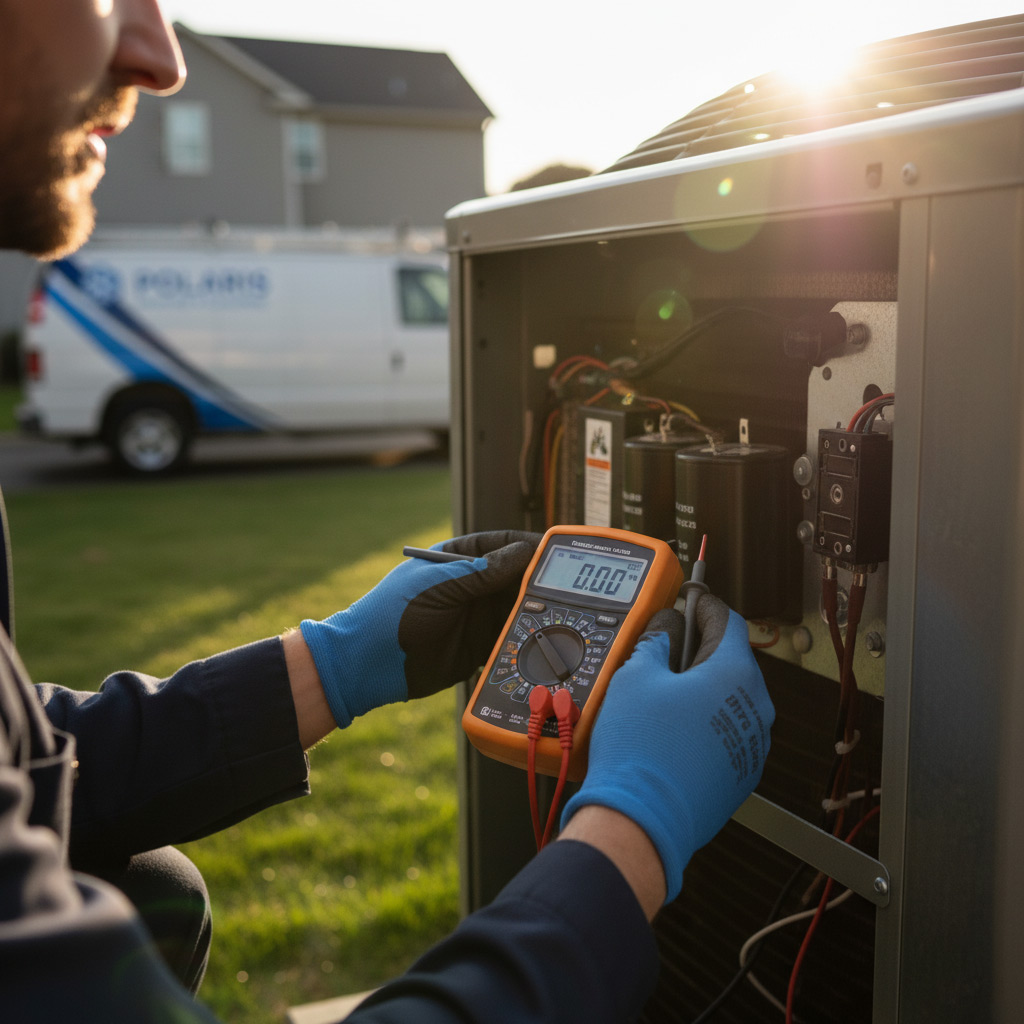
Picture this: the temperature drops outside, but your living room stays warm enough to melt the frost off your coffee mug. That’s the power of a properly installed boiler, especially when the San Bernardino winters decide to bite.
Most homeowners think a boiler is just another piece of equipment, but it’s the heart of your heating system. The right size, the right fuel, and a flawless hookup can slash your energy bills and keep you comfortable for years.
In the next few minutes we’ll walk you through every step—from sizing the unit to passing the city inspection—so you can avoid costly mistakes and get the heat you deserve. Ready to see how simple a solid plan can be?
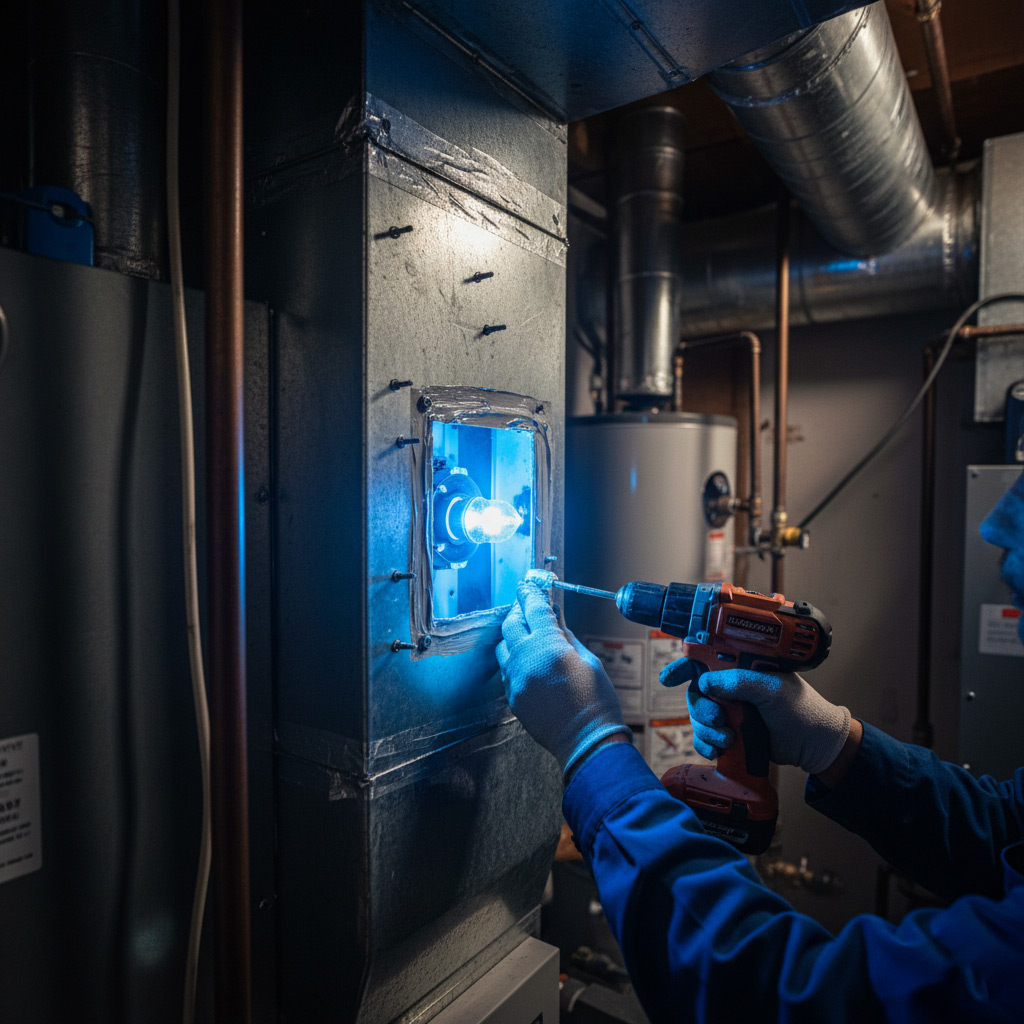
Assessing Your Home’s Heating Load and Selecting the Proper Boiler Size
Why Size Matters
Too small a boiler and you’ll be shivering while it runs flat‑out; too big and you’ll waste fuel every time the thermostat kicks in. Getting the right size means steady heat, lower bills, and a longer lifespan for the unit.
- Undersized: short cycling, higher wear.
- Oversized: short bursts, excess heat loss.
- Just right: consistent comfort, optimal efficiency.
Crunching the Numbers
Start with the square footage, then factor in insulation quality, window count, and ceiling height. Every extra foot of glass adds a heat penalty, so note those south‑facing panes.
- Base load: 30‑35 BTU per square foot for average homes.
- Insulation boost: add 10% if walls are poorly insulated.
- Window penalty: add 5% for each large window.
Choosing the Right Boiler Rating
Take the total BTU demand and add a 10‑15% safety cushion—this gives the boiler room to breathe on the coldest nights. Don’t guess; let a certified HVAC pro verify the calculation before you sign the purchase order.
- Match the BTU output to the calculated load.
- Prefer models with modulating burners for fine‑tuned control.
- Confirm the unit fits your existing pipework and venting.
Choosing the Ideal Boiler Type and Fuel for San Bernardino’s Climate
Understanding San Bernardino’s Heating Demands
Winter here can swing from mild to bone‑chilling in a heartbeat, so you need a boiler that *reacts* fast and stays efficient when the mercury drops. Condensing boilers capture extra heat from exhaust gases, giving you up to 30% more warmth for the same fuel.
Non‑condensing models are cheaper upfront, but they waste that extra heat and can hike your bills. If you love a sleek setup, a combi boiler delivers hot water on demand without a separate tank.
- Condensing (high efficiency, best for gas)
- Non‑condensing (lower cost, higher operating expense)
- Combi (space‑saving, instant hot water)
- System (large homes, separate tank)
Fuel Choices That Pay Off
San Bernardino’s utility grid makes natural gas the go‑to fuel—it's abundant, cheap, and burns clean. If your street isn’t hooked up, propane is the next best, though you’ll need a storage tank.
Oil and electric boilers sit on the fringe: oil is pricey and messy, while electric units are simple but can spike your electricity bill during cold snaps.
- Natural gas – low cost, low emissions
- Propane – portable, higher price per BTU
- Oil – high heat output, maintenance heavy
- Electric – quiet, best for small spaces
Match‑Making Your Boiler
Pair a condensing boiler with natural gas for the sweet spot of performance and savings. If you’re stuck with propane, a high‑efficiency non‑condensing unit can still keep the house cozy without breaking the bank.
Remember: the right combo isn’t just about price tags; it’s about reliability when the cold hits. Choose a system that *fits* your home’s size, your fuel access, and your budget, and you’ll sleep warm all winter long.
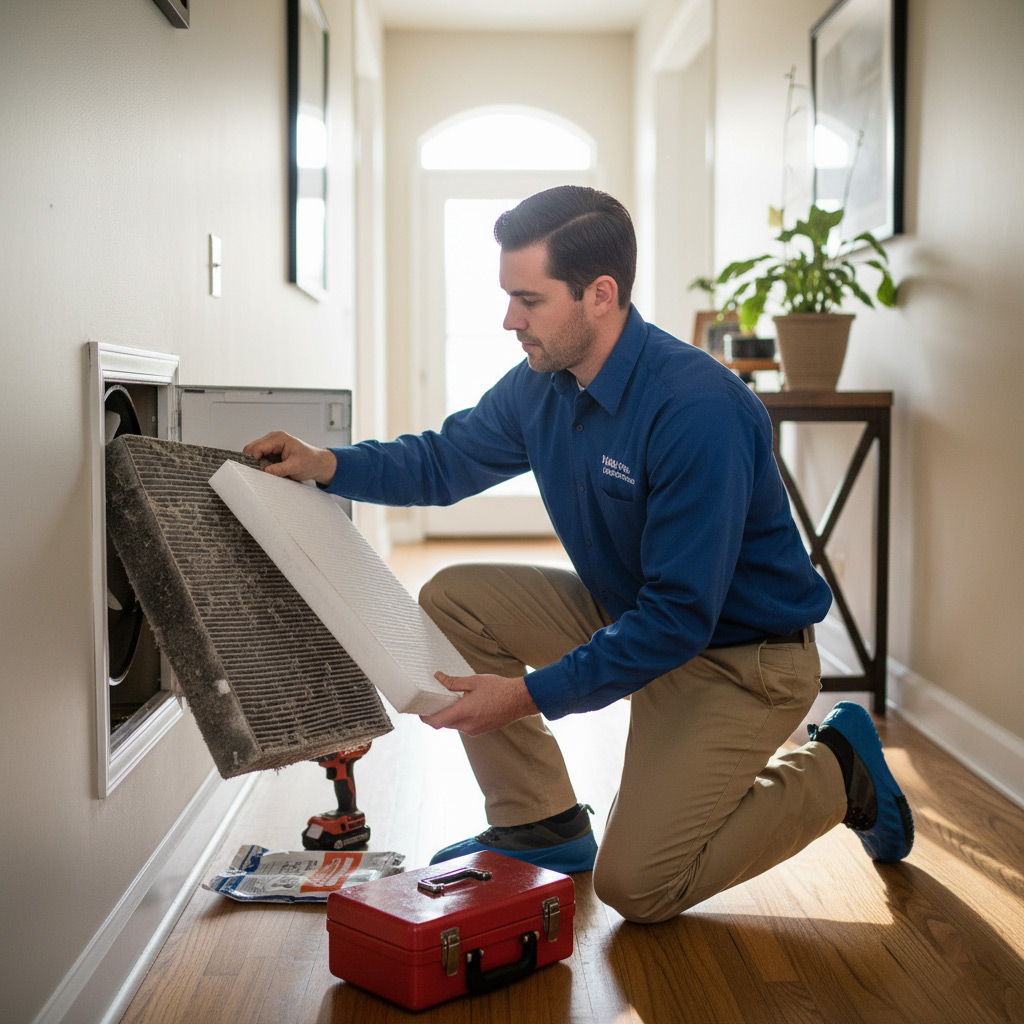
Navigating Local Permits, Building Codes, and Inspection Requirements
Before the first pipe is laid, the City of San Bernardino wants to see paperwork. Permit applications must be filed with the Building & Safety Division, and you’ll need a signed contract from a licensed HVAC contractor. Missing this step means a stop‑work order that can cost you weeks and extra dollars.
Permit Checklist
- Building permit – required for any new boiler or major alteration.
- Mechanical permit – covers venting, gas lines, and electrical connections.
- Proof of contractor’s C‑46 license – the city won’t accept a DIY claim.
- Fee receipt – keep the receipt; inspectors will ask for it.
San Bernardino’s building codes are strict about safety, especially when you’re dealing with gas or oil. Your boiler must meet the latest California Energy Code (Title 24) and have proper clearances for combustion air. Don’t assume your old setup is “good enough”—the code demands modern efficiency and emissions standards.
Code Must‑Knows
- Vent pipe size and material – must match the boiler’s output.
- Combustion air intake – at least 50 cfm per 1,000 BTU for gas units.
- Seismic bracing – mandatory in the foothills of San Bernardino.
- Electrical grounding – a dedicated circuit with a GFCI breaker.
When the inspector shows up, they’ll check the paperwork, then walk the site. Have the permit, the as‑built drawings, and the manufacturer’s installation manual on hand. A quick pre‑inspection walk‑through by your contractor can catch missing bolts or loose connections before the city’s eyes.
Inspection Day
- Schedule the final inspection after the boiler is fully connected and pressure‑tested.
- Make sure the pressure gauge reads within the manufacturer’s range.
- Verify that the vent termination is clear of obstructions and meets height requirements.
- Provide the inspector with a copy of the fuel‑type certification and any emissions test results.
Preparing the Installation Site: Plumbing, Venting, and Electrical Essentials
Plumbing Prep
First, shut off the water and drain the lines that will meet the new boiler. Clear out any rusted pipe sections and replace them with copper or PEX that meets local codes. Measure twice, cut once—you’ll need exact lengths for the supply and return loops.
- Locate the nearest shut‑off valve; label it.
- Install a pressure‑reducing valve if your water main exceeds 80 psi.
- Fit a dedicated condensate drain with a trap to prevent backflow.
Venting Strategy
San Bernardino’s altitude and temperature swings demand a vent that can handle both hot gases and occasional snow melt. Choose a stainless‑steel, Class B vent that clears the roof by at least 12 inches. Seal every joint with high‑temperature silicone to keep fumes out of the attic.
- Check roof pitch; a low‑slope roof may need a longer vent pipe.
- Install a vent termination cap with a spark arrestor.
- Run the vent vertically whenever possible—fewer elbows mean better draft.
Electrical Essentials
The boiler’s control board draws a solid 240‑volt circuit, so you’ll need a dedicated breaker sized to the unit’s amperage. Run conduit from the main panel to the boiler’s location, keeping it away from water lines. Don’t forget a ground fault interrupter for safety and code compliance.
- Use #10 AWG copper wire for most residential boilers.
- Install a disconnect switch within 5 feet of the unit.
- Label the circuit clearly in the breaker box.
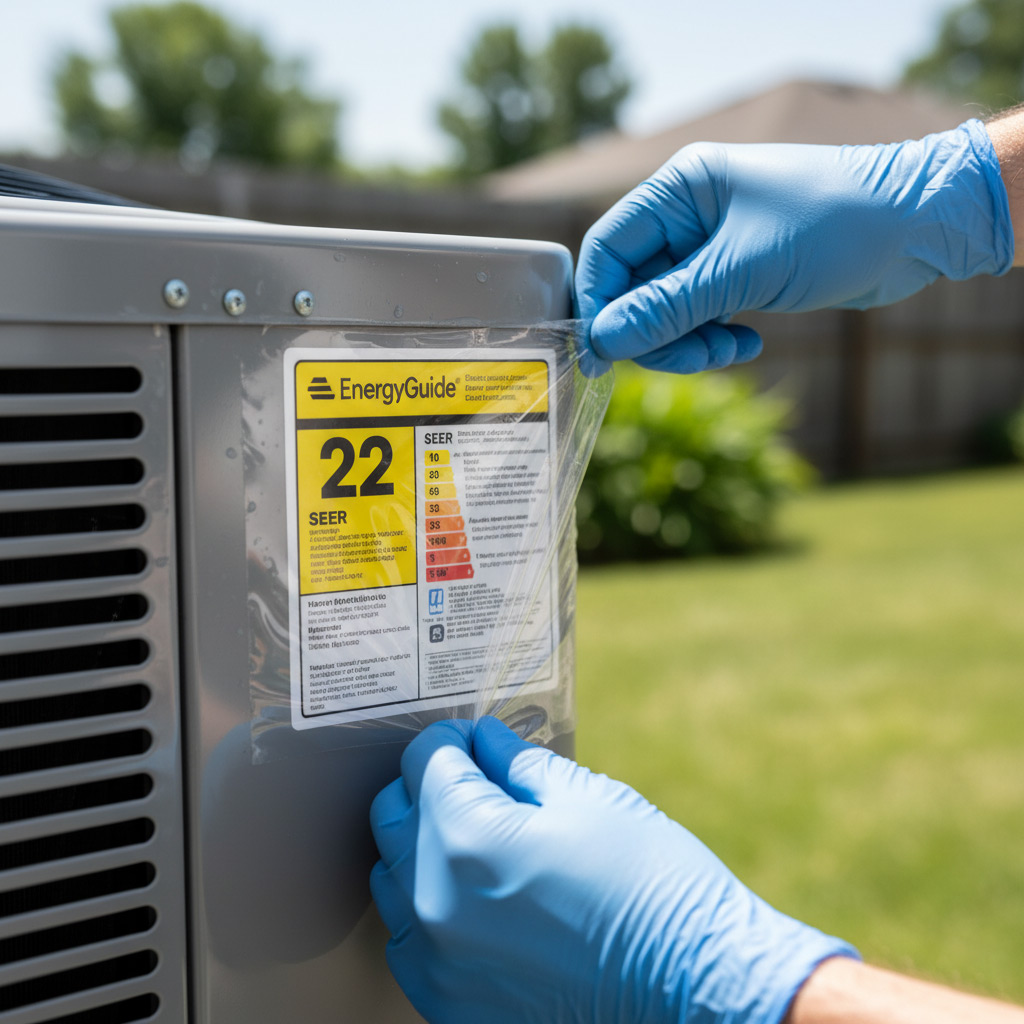
Step‑by‑Step Boiler Installation Process: From Delivery to Commissioning
First thing’s first: the truck rolls in, the crane lifts the beast, and you watch the new boiler settle into its future home. It’s a moment that feels like the start of a good story—if you follow the script, the ending is pure comfort.
Delivery & Unpacking
Don’t let excitement turn into chaos. Inspect the crate, check the serial number, and verify every accessory is present.
- Take photos of the packaging for warranty proof.
- Compare the model plate to the spec sheet—size matters.
- Clear the area of debris; a clean floor prevents scratches.
Rough‑in: Plumbing, Venting, Electrical
Now the real work begins. Connect the water lines, set up the vent, and wire the controls. One mis‑step here and you’ll be calling the inspector back.
- Use copper for supply lines; it resists corrosion in San Bernardino’s dry air.
- Install a stainless‑steel vent pipe with the proper rise—no shortcuts.
- Run a dedicated 240‑V circuit with a double‑pole breaker; label it clearly.
Final Hook‑up & Commissioning
With everything in place, it’s time to bring the boiler to life. Fill the system, purge air, and fire it up for the first time.
- Pressurize the system to 12‑15 psi; watch the gauge like a hawk.
- Run a short test cycle; listen for odd noises and check for leaks.
- Program the thermostat, record the efficiency numbers, and hand over the user manual.
Case Study: Seamless Boiler Installation in a Historic San Bernardino Residence
The Challenge
When the Martinez family bought their 1908 Craftsman bungalow, the original cast‑iron boiler was a relic—inefficient, leaky, and far from code‑compliant. Preserving the character of the home meant working around original plaster walls, a narrow crawl space, and a chimney that had seen better days.
We had to size a new boiler that could heat the 2,300 sq ft layout without overloading the vintage radiators, all while satisfying the city’s historic‑district guidelines.
The Solution
Our crew started with a detailed heat‑loss calculation, then selected a high‑efficiency, low‑profile condensing boiler that fit inside the existing boiler room. Key moves:
- Retrofitted the old chimney with a stainless‑steel liner to meet venting standards.
- Installed a compact, insulated pump closet to keep the new controls out of sight.
- Used flexible, pre‑insulated piping to thread through the tight crawl space without tearing plaster.
Every connection was pressure‑tested, then the system was flushed, balanced, and programmed with a smart thermostat that respects the home’s historic charm.
The Result
Within a week the Martinez home was delivering steady, whisper‑quiet heat, and the utility bill dropped 30 % compared to the old system. The city inspector gave a clean sign‑off, and the family kept their original mantlepiece untouched—proof that modern efficiency can live side‑by‑side with historic beauty.
Final Words
When the boiler is humming and the house stays cozy, you’ll know the effort paid off. A well‑chosen unit, proper permits, and a clean install are the three pillars that keep your system running smooth for years.
Quick Checklist Before You Call It a Day
- Size right – the load calculation should match your home’s square footage and insulation level.
- Pick the fuel that fits San Bernardino’s price trends – natural gas, propane, or oil.
- Verify every permit is stamped and the inspection cleared.
- Confirm venting, plumbing, and electrical connections meet code.
- Schedule a post‑install performance test to lock in efficiency.
Keep this list handy the next time you’re reviewing a quote or signing off on paperwork. It’s the shortcut most homeowners miss, and it can save you from surprise service calls down the road.
Need a trusted partner who checks every box? Our team lives and works in San Bernardino, so we speak the same language as your local building department. Boiler Installation isn’t just a service; it’s a promise of reliability, safety, and comfort.
People Also Ask
What size boiler do I need for a typical San Bernardino home?
A professional heating load calculation determines the correct boiler size, usually ranging from 80,000 to 150,000 BTU for most single‑family homes in San Bernardino. Oversizing can waste energy, while undersizing won’t keep the house comfortable.Which boiler type works best with San Bernardino’s mild winters?
Condensing high‑efficiency boilers are ideal because they capture waste heat and provide consistent warmth even during cooler nights. They also qualify for local energy rebates, making them a cost‑effective choice.Do I need a permit to install a new boiler in San Bernardino?
Yes, the City of San Bernardino requires a mechanical permit and inspection for any boiler replacement or new installation. Your HVAC contractor should handle the paperwork and ensure compliance with the California Plumbing Code.How much does a complete boiler installation cost in San Bernardino?
Installation costs typically range from $4,500 to $9,000, depending on boiler size, fuel type, and any necessary site modifications. Adding a high‑efficiency model can increase upfront costs but often yields long‑term savings on utility bills.Can an older historic home in San Bernardino accommodate a modern boiler?
Absolutely—by selecting a compact, low‑profile boiler and customizing venting and piping, a historic residence can receive modern heating efficiency without compromising its architectural integrity. A qualified installer will assess structural constraints and propose the best solution.
San Bernardino HVAC brings over 20 years of residential and commercial climate‑control expertise to the Inland Empire. Their team of certified technicians delivers tailored heating and cooling solutions that keep homes and businesses comfortable year‑round. Committed to the San Bernardino community, they prioritize prompt service and transparent communication.
Need HVAC?
Fast, results‑focused service that gets the job done in San Bernardino and surrounding ZIPs (92401, 92404, 92373, 92354, 92324). Our teams prioritize speed and quality to keep your projects moving forward.
Request a fast quote