
Picture this: the thermostat spikes to 90°F, the furnace sputters, and your electric bill starts looking like a lottery ticket. You’re sweating, the kids are whining, and the repair tech shows up with a price tag that makes you wince.
Most homeowners in San Bernardino fall into the same traps—ignoring early warning signs, DIY fixes that backfire, and signing on the dotted line with the cheapest contractor without checking credentials. Those shortcuts can turn a simple fix into a six‑figure nightmare.
But there’s a smarter way. Knowing the local climate quirks, the common wear points of mountain‑air units, and the red‑flag signs that scream “call a pro now” can save you both heat and cash.
Ready to stop the money drain and keep your home comfortable all year long? Keep reading and discover the exact mistakes you must avoid.
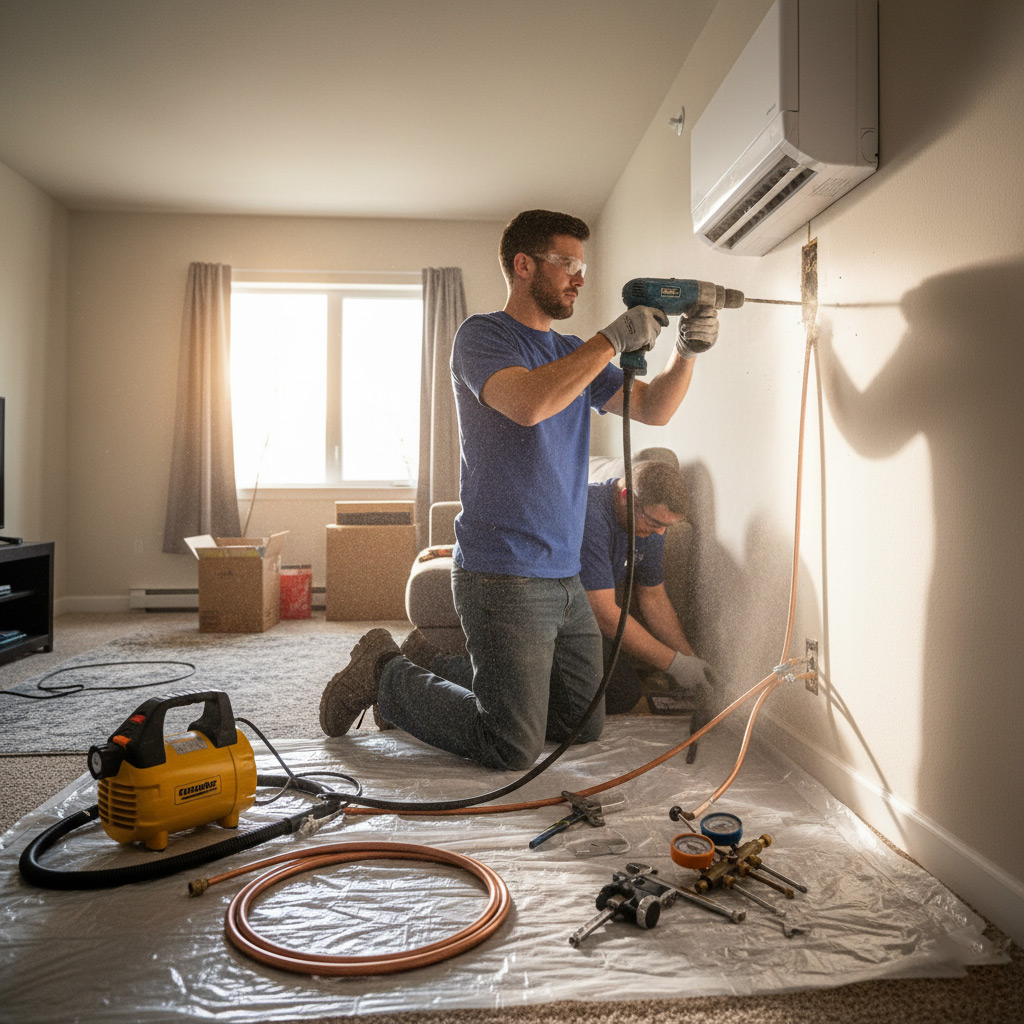
Recognizing Early Warning Signs Unique to San Bernardino’s Climate
San Bernardino’s desert‑mountain swing means your HVAC works double‑time in summer heat and freezes in winter chill. When the furnace starts making a high‑pitched whine or the AC hum turns into a rattling clatter, it’s not just “old age” – it’s the climate testing weak spots.
What the weather is trying to tell you
- Frequent short‑cycling – the unit turns on, shuts off, then fires up again within minutes.
- Uneven temperature zones – one room stays toasty while another feels like a freezer.
- Visible frost on the evaporator coil during mild days – a sign the system is over‑working.
These clues appear weeks before a total breakdown. Ignoring them while the sun blazes at 100°F or the night drops to 30°F turns a simple tweak into a costly overhaul.
Why San Bernardino’s air is a silent saboteur
Dust from the high desert settles on filters faster than in coastal towns. The occasional Santa Ana gust pushes sand into vents, clogging the blower. When you notice a drop in airflow or a musty smell, it’s the environment whispering “service me now.”
The True Cost of DIY Fixes: When “Do‑It‑Yourself” Becomes a Money Pit
Why DIY Looks Good at First
Grabbing a wrench feels like a power move, especially when the bill from a pro looks steep. But a cheap part or a rushed fix can turn a $150 job into a $2,000 nightmare.
Typical hidden expenses include:
- Incorrect refrigerant charge – can fry the compressor.
- Improper wiring – raises fire risk and insurance premiums.
- Void warranties – you lose factory support when you need it most.
San Bernardino’s Climate Throws Curveballs
Our desert‑mountain mix pushes units harder in summer and forces them to work overtime in winter. A DIY who doesn’t know the local load calculations may undersize the system, leading to premature wear.
Result? Higher energy bills, more frequent breakdowns, and a thermostat that never quite hits the set point.
When a Simple Fix Becomes a $5,000 Bill
Imagine you replace a cracked coil yourself and forget to purge the air. The next month the furnace overheats, the heat exchanger cracks, and you need a full replacement.
Costs stack up fast:
- New heat exchanger – $3,000‑$4,500.
- Labor to remove the damaged unit – $400‑$600.
- Additional parts (sensors, seals) – $200‑$500.
All because a $120 coil swap seemed like a win.

Pitfalls of Picking the Cheapest Contractor: Hidden Fees and Sub‑Par Work
Hidden Fees That Sneak Up
Everyone loves a low quote, but the real price often hides in the fine print. A “$99 service call” can balloon when the tech adds a “travel surcharge” or “after‑hours premium.”
Before you sign, ask for a line‑item estimate. Look for these surprise charges:
- Permit fees that the contractor tacks on after the job starts.
- Equipment rental costs that appear on the final invoice.
- “Diagnostic” fees that are billed even if the problem is obvious.
When Cheap Means Cutting Corners
Low bids often mean the crew is using discount parts or skipping critical steps. A sub‑par coil or a hastily sealed duct can cost you more in energy waste than the original repair.
Watch for these red flags:
- Unbranded or refurbished components without a warranty.
- Rushed installations that leave gaps in insulation.
- Technicians who skip the safety checklist to finish faster.
How to Spot a Value‑Driven Pro
Price isn’t everything; reliability is. A reputable HVAC shop will be transparent about every cost and stand behind their work.
Ask these questions before you hand over a check:
- Do you provide a written warranty on parts and labor?
- Can you show proof of insurance and a valid contractor’s license?
- What’s your policy for post‑service follow‑up?
Proactive Maintenance Strategies to Extend Your System’s Life and Cut Expenses
Seasonal Check‑ups
In San Bernardino the temperature swings are brutal, so a twice‑yearly inspection is non‑negotiable. Spring and fall are the sweet spots to catch wear before the furnace or AC is forced to work overtime.
- Replace or clean filters every 30‑45 days – a clogged filter is the fastest way to raise energy use.
- Inspect ductwork for leaks; seal with mastic, not cheap foil tape.
- Test the thermostat’s accuracy; a mis‑read can add 10‑15 % to your bill.
Deep‑Clean the Core
Even if the unit looks clean, dust loves the hidden coils and blower wheels. A professional coil cleaning once a year can shave off up to 5 % of your power draw.
- Remove debris from the outdoor condenser fins; a garden hose on low pressure does the trick.
- Lubricate moving parts with the manufacturer’s recommended oil – no grease, no squeak.
- Check the condensate drain for clogs; a slow drain means corrosion and costly repairs.
Smart Monitoring & Service Plans
Modern HVACs have built‑in diagnostics that can ping you before a failure. Pair that with a modest service contract and you’ll avoid surprise “call‑out” fees.
- Enroll in a preventive maintenance agreement – it locks in a flat rate for two years.
- Use a Wi‑Fi thermostat that logs run‑time; spot spikes and adjust settings.
- Schedule a quick 15‑minute “system health” call after any major weather event.
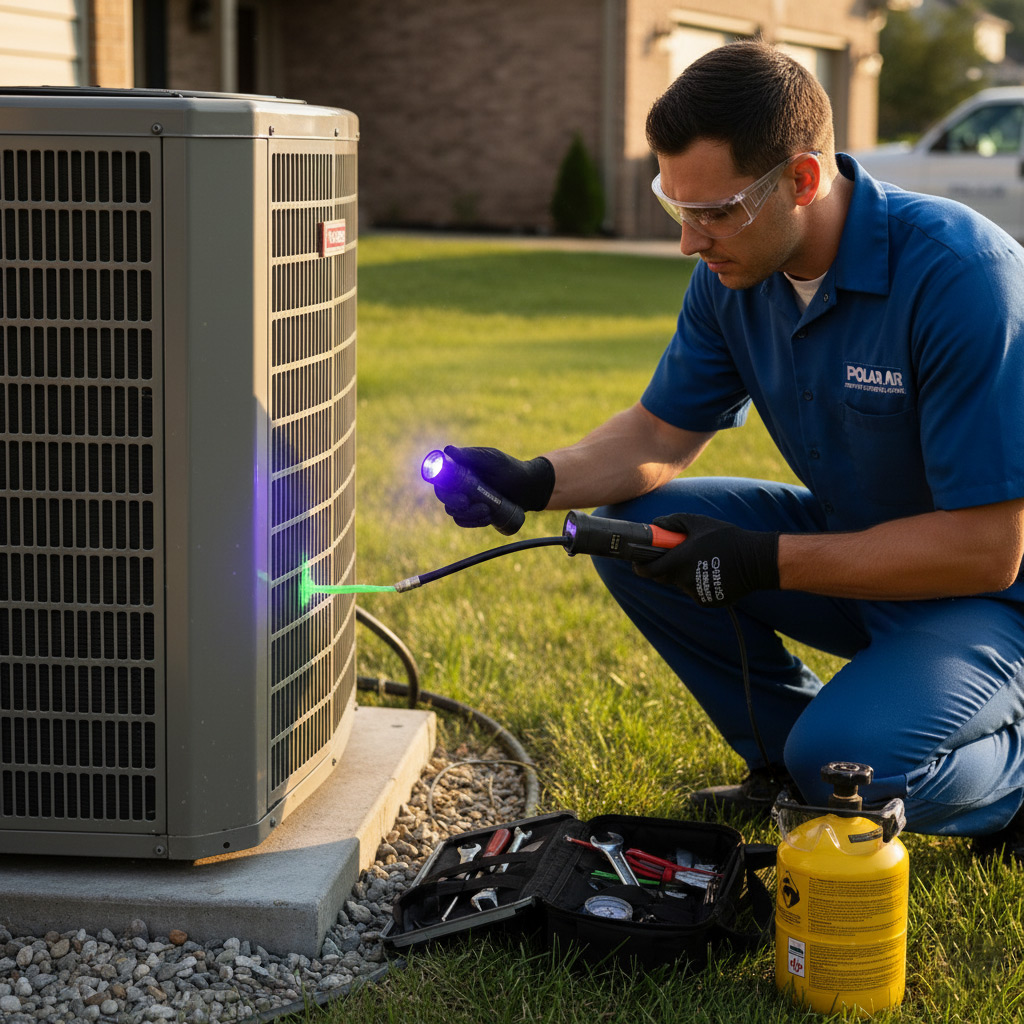
Verifying Credentials: How to Choose a Trusted HVAC Professional in San Bernardino
License and Insurance – The Non‑Negotiables
First thing’s first: a legit HVAC tech must have a California contractor’s license (C‑20). Without it, you’re gambling with safety and code violations.
Ask for proof of liability insurance and workers’ comp. That paperwork protects your wallet if something goes sideways on the job.
- Check the license number on the CCB website.
- Confirm the policy covers both property damage and personal injury.
- Never sign a contract until you see the certificates.
Reputation Checks – Let the Neighbors Speak
Word‑of‑mouth still beats any glossy ad. Scan local review sites, the Better Business Bureau, and neighborhood Facebook groups.
Look for patterns: repeated praise for punctuality, or recurring complaints about hidden fees.
- Three‑plus stars on Google with detailed comments = good sign.
- BBB “A‑” rating shows they resolve disputes.
- Ask the contractor for two recent client references; call them.
The Bottom Line – Ask the Right Questions
When you get a quote, demand a written estimate that breaks down labor, parts, and taxes. Transparency is a trust builder.
Inquire about warranties on both equipment and workmanship. A confident pro will stand behind his work for at least a year.
- Do they offer a maintenance plan? That’s a sign they care about longevity.
- Are they members of HVACR industry groups like ACCA? Membership means they stay current.
- Do they provide a clear timeline? Vague dates often hide delays.
Case Study: A Timely Intervention That Saved a San Bernardino Homeowner $8,000
The Warning Signs
When Maria noticed a faint rattling from her furnace every night, she brushed it off as “just the house settling.” She also saw her energy bill creep up by 20% in just two months. Instead of waiting for a full breakdown, she called a local HVAC specialist.
What the Pros Found
The technician performed a quick diagnostic and uncovered three costly problems that were about to explode:
- Cracked heat exchanger – a ticking time bomb that could have caused a house fire.
- Leaking refrigerant line – would have forced a complete system replacement.
- Worn-out blower motor bearings – leading to premature wear on the entire unit.
Because the issues were caught early, the crew replaced only the heat exchanger and sealed the refrigerant leak. The blower motor got a fresh set of bearings, extending its life by years.
The Bottom‑Line Impact
Maria’s total bill was $1,200, a fraction of the $9,200 she’d face if the furnace had failed during a heat wave. That’s an $8,000 saving that kept her family comfortable and her wallet intact.
The takeaway? A quick call to a qualified contractor can turn a potential disaster into a modest repair. Don’t let a small sound become a six‑figure nightmare.
Final Words
Don’t sit around waiting for the next heat wave to expose a weak link in your system. Spot the signs early and you’ll keep the repair bill from ballooning.
Take Action Today
- Schedule a professional inspection before the season changes.
- Verify the contractor’s license and insurance – no shortcuts.
- Set up a maintenance plan that includes filter changes and coil cleaning.
- Keep a written record of service dates and parts replaced.
Need a trusted pro? Browse our Heating System Repair page for vetted specialists who know San Bernardino’s climate inside out.
People Also Ask
What are the early warning signs of HVAC problems specific to San Bernardino’s climate?
In San Bernardino’s hot, dry summers and chilly winters, look for uneven heating or cooling, frequent short‑cycling, and a noticeable increase in energy bills. These symptoms often indicate strain from extreme temperature swings.
Why can DIY HVAC repairs end up costing more in the long run?
DIY fixes may temporarily restore function, but improper installation or missed underlying issues can cause system failures, leading to expensive part replacements and higher utility costs.
What hidden costs might arise when hiring the cheapest HVAC contractor?
Low‑bid contractors often cut corners, resulting in sub‑par parts, inadequate warranties, and unexpected service fees. These hidden expenses can quickly outweigh the initial savings.
How does regular maintenance reduce overall HVAC repair expenses?
Scheduled tune‑ups catch wear early, improve efficiency, and extend equipment lifespan, which lowers the frequency of major repairs and reduces energy consumption.
What credentials should I verify before hiring an HVAC professional in San Berningo?
Check for a valid California contractor’s license, EPA certification for refrigerant handling, and positive reviews from local customers. Confirm insurance coverage and ask for references to ensure reliability.

San Bernardino HVAC brings over 20 years of residential and commercial climate‑control expertise to the San Bernardino community. Their team of certified technicians delivers tailored heating and cooling solutions that keep homes comfortable year‑round. Committed to local service, they prioritize prompt response and transparent communication for every project.
Need HVAC?
Fast, results‑focused service that gets the job done in San Bernardino and surrounding ZIPs (92401, 92404, 92373, 92354, 92324). Our teams prioritize speed and quality to keep your projects moving forward.
Request a fast quote